Speakers
Meet the scholars and practitioners bringing the Global Freedom Festival to life
Showing 66 participants
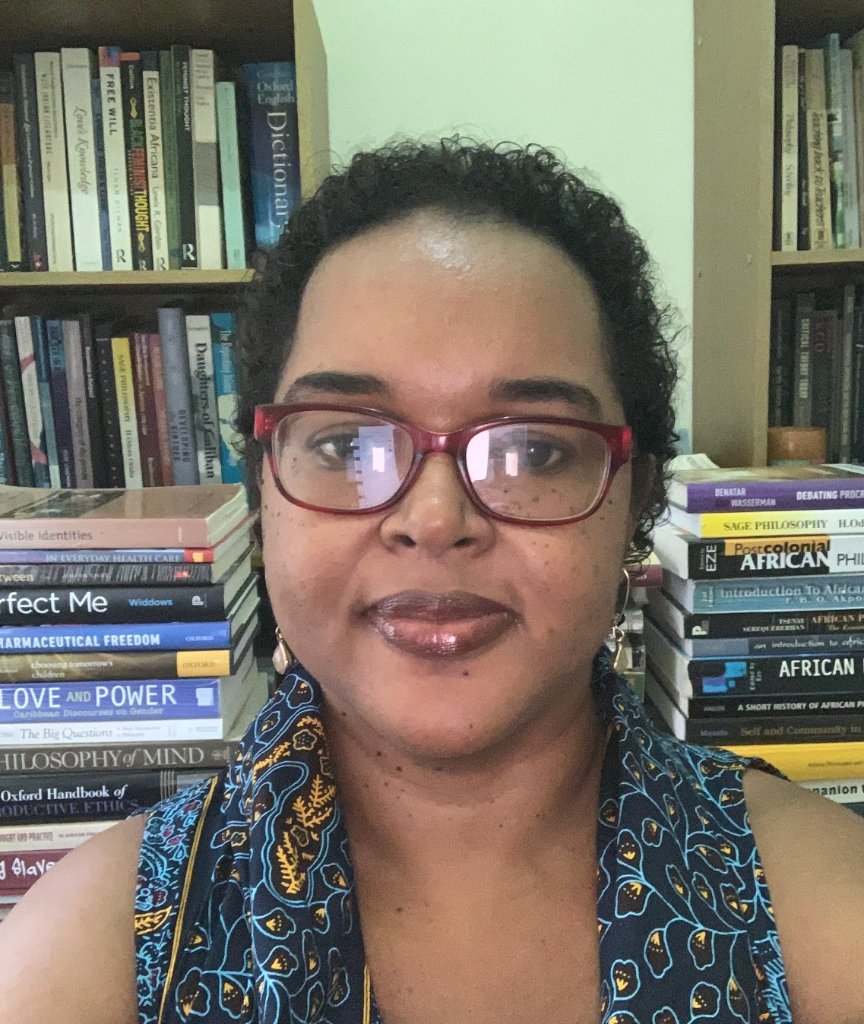
Dr. Roxanne Burton
Jamaican Lecturer in Philosophy, University of the West Indies
Roxanne Burton is a lecturer at the University of the West Indies, contributing to scholarship on Caribbean literature, culture, and society.
Sessions
- Session 1, Day 1 — Chair (9:30 am – 10:30 am)
- Philosophies on the nature and status of freedoms globally: Groundings for the leaders
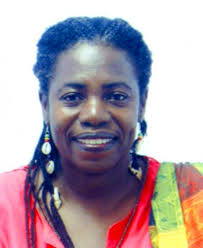
Dr. Margaret Gill
Barbadian Public Scholar, Award Winning Poet & Academic
Dr. Margaret Gill is a distinguished Barbadian scholar and academic known for her contributions to Caribbean intellectual thought and social development.
Sessions
- Session 1, Day 1 — Presenter (9:30 am – 10:30 am)
- Philosophies on the nature and status of freedoms globally: Groundings for the leaders
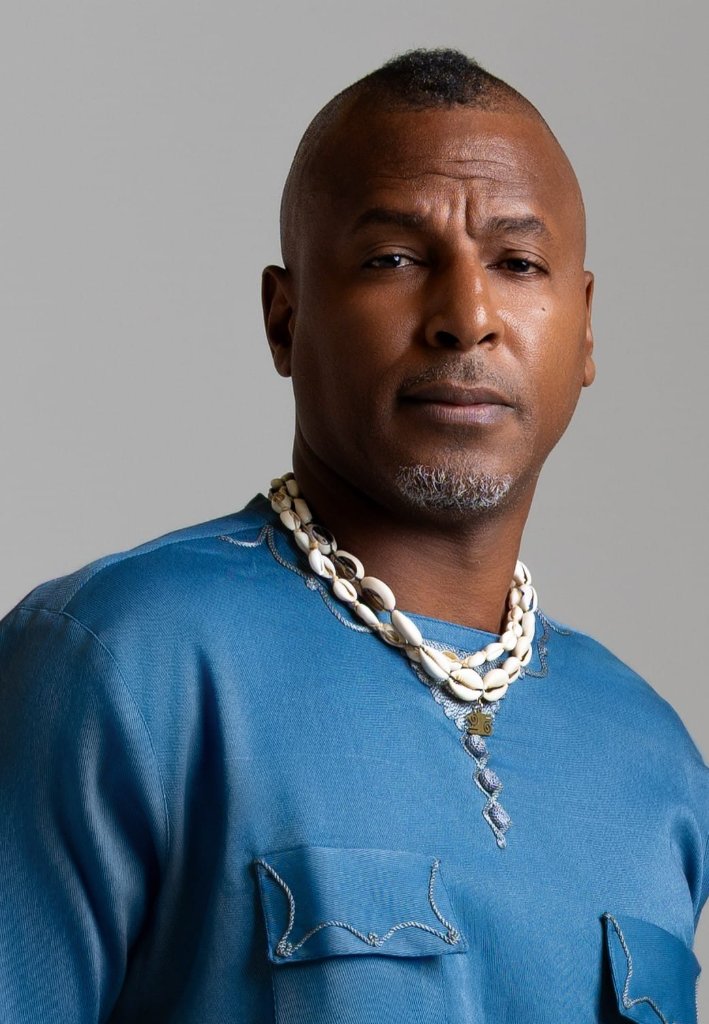
Adrian Green
Barbadian Poet & Spoken Word Artist
Adrian Green is a Barbadian poet and spoken word artist known for his powerful performances exploring themes of African identity, freedom, and Caribbean consciousness.
Sessions
- Session 1, Day 1 — Presenter (9:30 am – 11:15 am)
- Philosophies on the nature and status of freedoms globally: Groundings for the leaders
- Session 2, Day 2 — Chair (11:30 am – 1:15 pm)
- Capitalism and possible futures of labour in the wake of automation through artificial intelligence and robotics
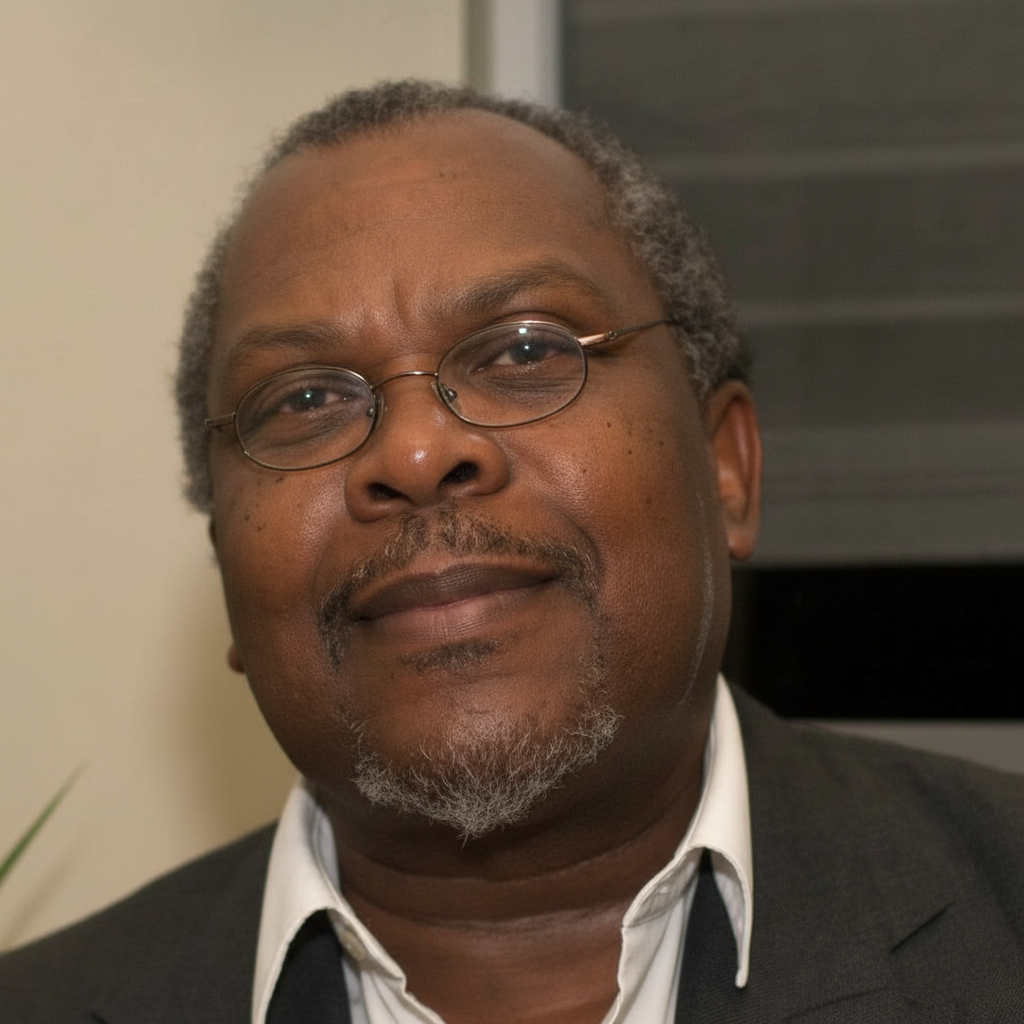
Dr. George Belle
Barbadian Political Scientist & Retired Lecturer, University of the West Indies, Cave Hill
Dr. Dr. George Belle is a Barbadian political scientist and retired lecturer at the University of the West Indies, Cave Hill, with expertise in Caribbean political thought and governance.
Sessions
- Session 2, Day 1 — Presenter (12:00 noon)
- The current moment of Imperialism and possible reactions from the south
- Roundtable, Day 3 — Presenter (2:30 pm – 5:00 pm)
- The State of the CARICOM and its Union
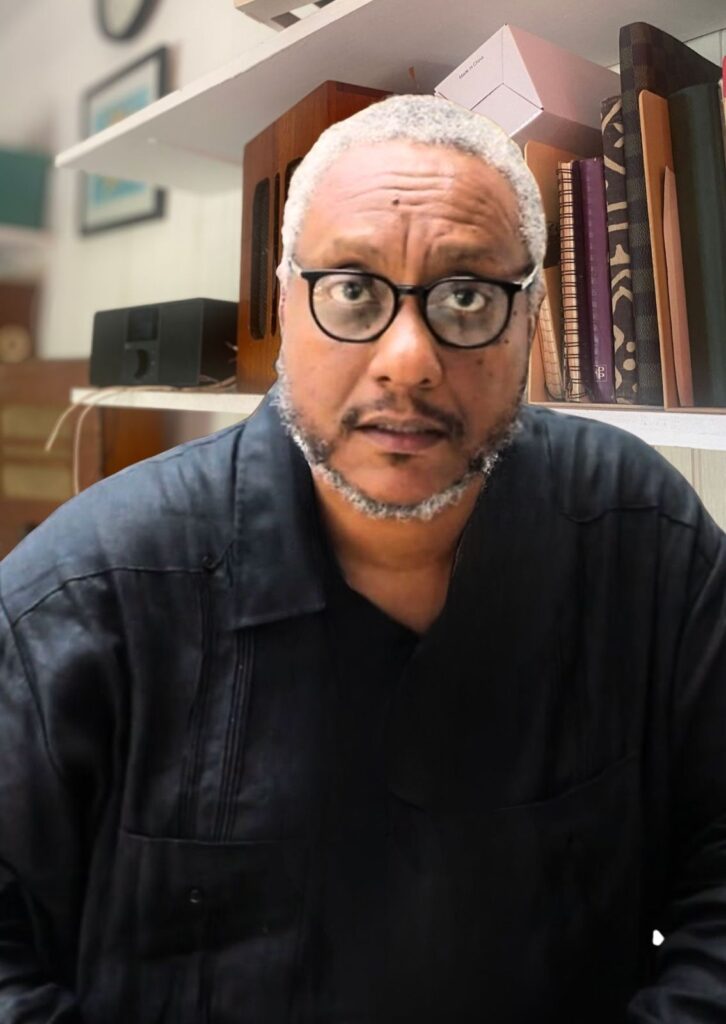
Julius Gittens
Barbadian Veteran Broadcaster, Journalist, Media Trainer & Cultural Preservationist
Julius P.A. Gittens is an award-winning Barbadian journalist, broadcaster, and media trainer with over 30 years of experience in Caribbean media. A former broadcast journalist at the Caribbean Broadcasting Corporation (CBC), he holds an MA in International Journalism from City St George's University in London. He is the guiding force behind Radio Bimshire, the Barbados National Library Service's digital oral history archive, which preserves the island's spoken heritage through streaming and podcast formats. A pan-Africanist and cultural advocate, Gittens is also a multi-award-winning watercolour artist whose work documents the endangered architectural heritage of Barbados and the Caribbean. He is a member of the Barbados Arts Council and a respected voice on Caribbean history, culture, reparations, and African consciousness.
Sessions
- Roundtable, Day 1 — Chair (2:30 pm – 5:00 pm)
- Venezuela and Cuba in Focus: Framing the Situation and Possible Responses

Ambassador David Comissiong
Barbadian Ambassador to CARICOM & Pan-Africanist Leader
David Andre Comissiong is a Barbadian attorney, author, and diplomat, serving as Barbados' Ambassador to CARICOM since 2018. He is widely known for his pan-Africanist activism, his writings on emancipation and reparations, and his advocacy for Caribbean sovereignty and African-Caribbean solidarity.
Sessions
- Roundtable, Day 1 — Venezuela and Cuba in Focus: Framing the Situation and Possible Responses
Martha Gabriela Ortega Peraza
Venezuelan Chargé d'Affaires, Embassy of Venezuela to Barbados
Martha Gabriela Ortega Peraza is the Chargé d'Affaires of the Embassy of the Bolivarian Republic of Venezuela to Barbados, a post she has held since February 2022. She is known for her advocacy on Venezuelan sovereignty, her engagement with Caribbean civil society, and her defence of the Bolivarian Revolution against imperial interference.
Sessions
- Roundtable, Day 1 — Venezuela and Cuba in Focus: Framing the Situation and Possible Responses
Burton Sankeralli
Trinidadian Philosopher, Independent Intellectual & Co-founder, Philosophical Society of Trinidad and Tobago
Burton Sankeralli is a Trinidadian philosopher and independent intellectual who has been involved in philosophical research and Caribbean culture for over two decades. A former newspaper columnist, his writings have appeared in numerous scholarly and academic publications. He is the editor of At the Crossroads: African Caribbean Religion and Christianity (1995), published by the Caribbean Conference of Churches, and co-founder of the Philosophical Society of Trinidad and Tobago. His work engages Caribbean philosophy, African diaspora spirituality, and the Trinidadian cultural landscape.
Sessions
- Roundtable, Day 1 — Venezuela and Cuba in Focus: Framing the Situation and Possible Responses
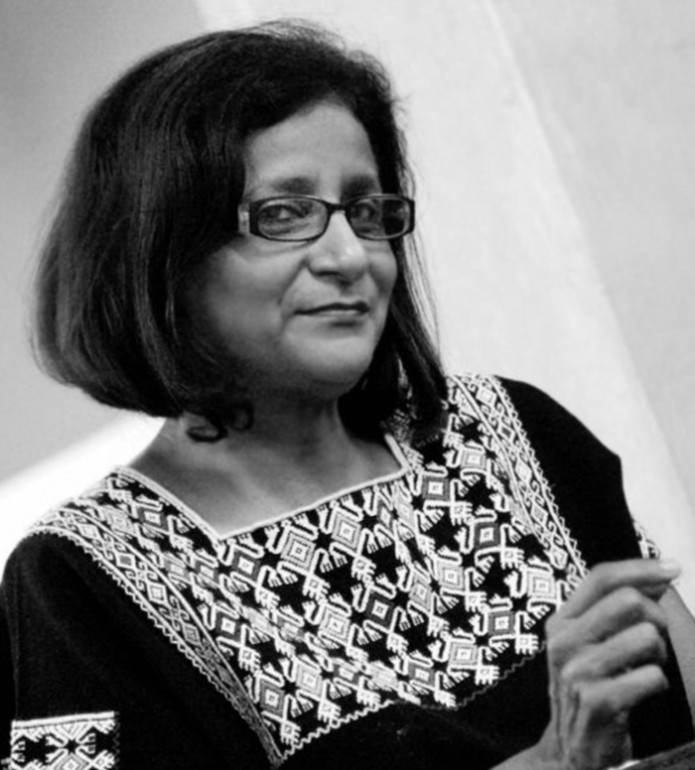
Sunity Maharaj
Trinidadian Journalist, Managing Director of the Lloyd Best Institute of the Caribbean & Former Editor-in-Chief, Trinidad Express
Sunity Maharaj is the Managing Director of the Lloyd Best Institute of the Caribbean and editor of The Trinidad and Tobago Review. A veteran journalist and media consultant, she is the former editor-in-chief of the Trinidad Express and News Director of TV6. She also served as an Independent Senator in the Parliament of Trinidad and Tobago. Her work spans journalism, public affairs, and Caribbean intellectual life, with a particular focus on Caribbean civilisation, political economy, and regional development.
Sessions
- Roundtable, Day 1 — Venezuela and Cuba in Focus: Framing the Situation and Possible Responses

Mark Hill
Chief Executive Officer, Export Barbados (BIDC)
Mark Hill is the Chief Executive Officer of Export Barbados (BIDC), the national export promotion agency of Barbados, formerly known as the Barbados Investment & Development Corporation. He has reoriented the organisation around three core economic pillars — Bio, Ocean, and Design — advancing a purposeful and aggressive strategy to build a new export economy for Barbados. An MIT-trained product and service innovation specialist using Design Thinking methodology, Hill brings a rare blend of public and private sector experience, grounding his leadership philosophy in design as strategy — not merely styling or process. He is the founder of Innogen Technologies and Biogen Biotechnologies, two R&D companies operating in the clean technologies space. A champion of Caribbean sustainable development, Hill has spoken extensively on the strategic importance of natural, human, and financial capital in the region's energy transition, calling for greater investment in ocean resources, green hydrogen, and electric mobility. He serves on the advisory board of the International Trade Centre (ITC) and has represented Barbados at major international trade and investment forums including the GUBA Trade & Investment Summit.
Sessions
- Session 1, Day 2 — Capitalizing on artificial Intelligence to exploit industrialization opportunities in Barbados
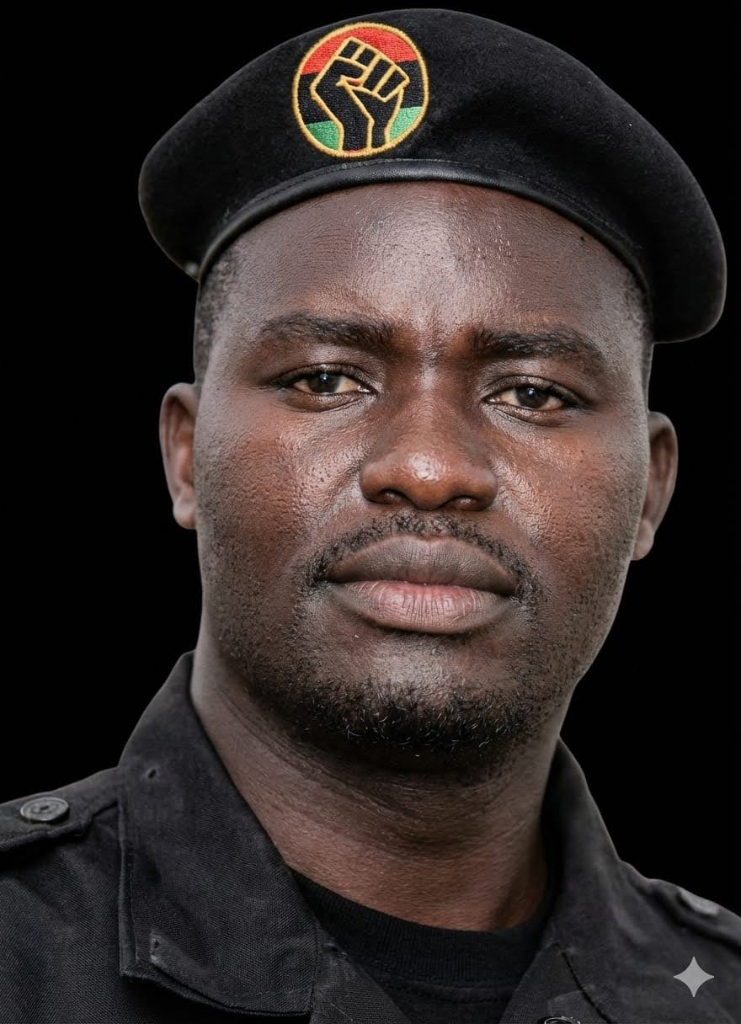
Cde Pigbin Odimwengu
Kenyan Progressive Pan-African Advocate, Director of Leadership & Capacity Building, AYLF & Secretary General, Global Afrikan Congress (Kenya Chapter)
Comrade Pigbin Odimwengu is a Progressive Pan-African Advocate and Leader from the Republic of Kenya, nurtured in Homabay County amidst the tea farms of Bomet. He holds a degree in Education Arts (Kiswahili/History) from the University of Embu and is Director of Leadership and Capacity Building at the African Youth Leadership Foundation (AYLF). A dedicated educator and revolutionary thinker, he volunteers to teach Kiswahili to fellow Pan-Africans and co-chairs the Consciencism Philosophical and Ideological Class. He serves as Secretary General of the Kenyan chapter of the Global Afrikan Congress and is a champion of reparations, youth empowerment, and responsible leadership. He also serves as Secretary General and Policy & Technical Regulations Officer at the Center for Policy and Strategic Intervention, and is a committee member of the WTO National TBT & SPS Committee in Kenya.
Sessions
- Roundtable, Day 2 — Burkina Faso in Focus
- The forging of Traore
- Session 2, Day 2 — Capitalism and possible futures of labour in the wake of automation through artificial intelligence and robotics
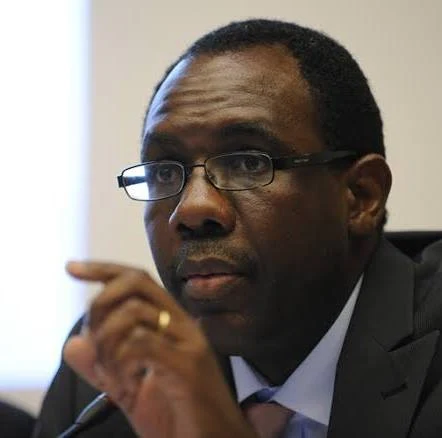
Dr. Lazare Ki-Zerbo
Burkinabè Scholar & Political Analyst
Lazare Ki-Zerbo is a Burkinabè scholar and political analyst with expertise in African governance, sovereignty, and pan-African political thought. He is known for his critical analyses of political transitions and state-building processes in West Africa.
Sessions
- Roundtable, Day 2 — Burkina Faso in Focus
- The forging of Traore
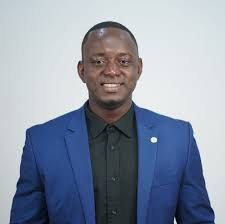
Mani Habib Dakouo
Malian President, National Youth Council of Mali (CNJ) & Youth Advocate
Mani Habib Dakouo is a Malian youth leader, Psychomotrician, and development specialist who served as President of the National Youth Council of Mali (CNJ). He is known for championing youth participation in governance, representing Mali at COP26 and the YouthConnekt Sahel Forum, and directing Centre VADEH, a psycho-socio-educational centre for children with disabilities.
Sessions
- Roundtable, Day 2 — Burkina Faso in Focus
- The forging of Traore
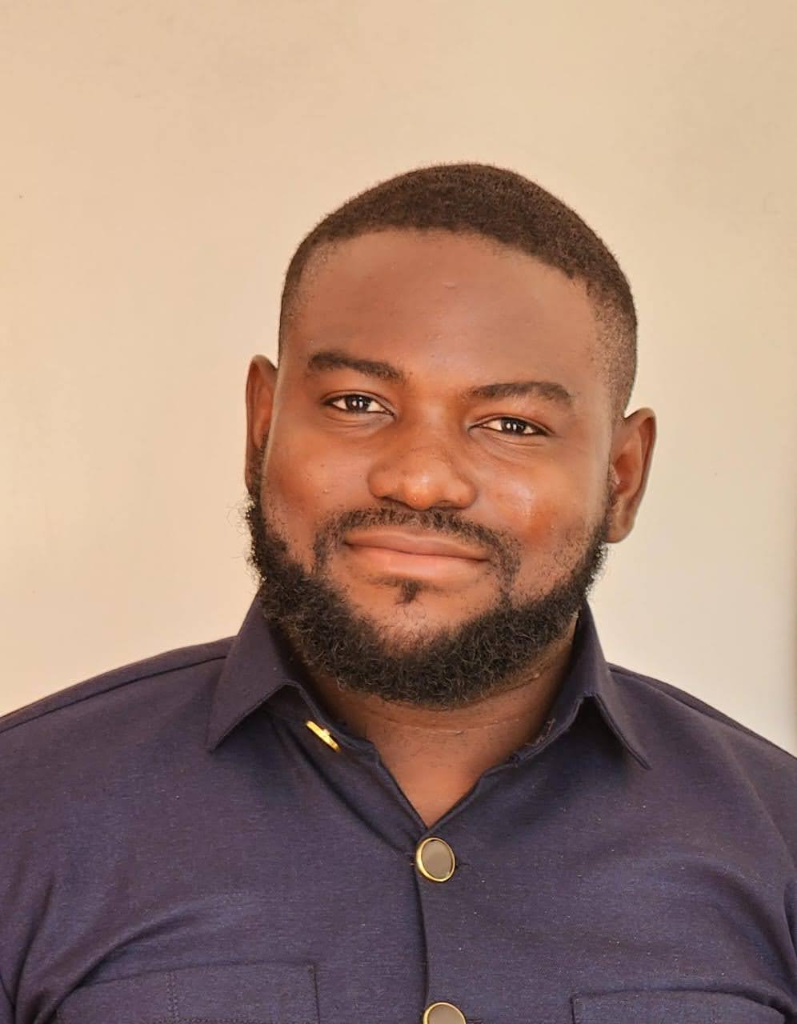
Cde Wendlassida Simporé
Burkinabè Secretary General, Thomas Sankara Center for Liberation and African Unity & Member, All-African People's Revolutionary Party (A-APRP)
Wendlassida Wilfried Fabrice Simporé is a Burkinabè organiser and anti-colonial artist born in Yako and raised in Burkina Faso. An architectural assistant by training, he gained organising experience with the Socialist Forum of Ghana during his time in Accra, and is a dedicated student of the life and legacy of Thomas Sankara. He is now a member of the All-African People's Revolutionary Party (A-APRP) and serves as Secretary General of the Thomas Sankara Center for Liberation and African Unity, based in Ouagadougou. He is a respected voice on geopolitics, Pan-African solidarity, insurgency in the Sahel, and the struggle for sovereignty and social justice in Burkina Faso under Ibrahim Traoré.
Sessions
- Roundtable, Day 2 — Burkina Faso in Focus
- The forging of Traore

Dr. Rodney Worrell
Barbadian Senior Lecturer in History & Head of Department, UWI Cave Hill
Dr. Rodney Worrell is Senior Lecturer in History and Head of Department at the University of the West Indies, Cave Hill. He is primarily known for his scholarship in Pan-African thought, Caribbean political philosophy, and reparatory justice, including his book George Padmore's Black Internationalism.
Sessions
- Session 1, Day 3 (9:30 am – 11:15 am)
- Assessing the philosophies of continental Pan-African leaders from Nkrumah to Traore and their strategic relevance to the coming multipolar arrangement
Steven Golding
Jamaican President, Universal Negro Improvement Association (UNIA)
Steven Golding is the President of the Universal Negro Improvement Association (UNIA) in Jamaica, continuing the legacy of Marcus Garvey's global pan-African organisation. He is a prominent advocate for Black liberation, self-reliance, and African unity across the diaspora.
Sessions
- Session 1, Day 3 — Presenter (9:30 am – 11:15 am)
- Assessing the philosophies of continental Pan-African leaders from Nkrumah to Traore and their strategic relevance to the coming multipolar arrangement
Dr. Kristina Hinds
Barbadian Senior Lecturer in Political Science, University of the West Indies, Cave Hill
Dr. Kristina Hinds is a Senior Lecturer in Political Science and Head of the Department of Government, Sociology, Social Work and Psychology at the University of the West Indies, Cave Hill Campus. She is the author of 'Civil Society Organisations, Governance and the Caribbean Community' and numerous articles on Caribbean governance and international politics. She served as an Independent Senator in the Senate of Barbados and is Vice President of the International Studies Association.
Sessions
- Roundtable, Day 3 — Chair (2:30 pm – 5:00 pm)
- The State of the CARICOM and its Union
Dr. Tennyson Joseph
St. Lucian Political Scientist & Associate Professor of Political Science, North Carolina Central University
Dr. Tennyson S.D. Joseph holds a PhD from the University of Cambridge and is a former Senior Lecturer in Political Science and Head of the Department of Government, Sociology and Social Work at the Cave Hill Campus of the University of the West Indies. His work revolves around Caribbean Political Thought, globalisation, anti-colonialism, sovereignty, and decolonisation. He is the author of Decolonization in St. Lucia: Politics and Global Neo-Liberalism 1945–2010 and co-author of General Elections and Voting in the English-Speaking Caribbean 1992–2005. A weekly columnist in The Nation newspaper in Barbados, he is now Associate Professor of Political Science at North Carolina Central University.
Sessions
- Roundtable, Day 3 — Presenter (2:30 pm – 5:00 pm)
- The State of the CARICOM and its Union
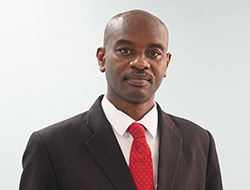
Professor C. Justin Robinson
Vincentian Pro Vice-Chancellor & Campus Principal, UWI Five Islands Campus, Antigua and Barbuda
Professor C. Justin Robinson is a national of St. Vincent and the Grenadines and a distinguished UWI alumnus. He holds a BSc in Management Studies (First Class Honours) from Cave Hill, an MSc in Finance and Econometrics from Florida International University, and a PhD in Finance from the University of Manchester. A Professor of Corporate Finance, he has published over 50 refereed articles in regional and international journals. In more than 20 years with The UWI, he has served as Head of Management Studies, Executive Director of the Sagicor Cave Hill School of Business & Management, Dean of the Faculty of Social Sciences, and Pro Vice-Chancellor for Undergraduate Studies. He was a founding member of the working group that established the Five Islands Campus in 2018, and was appointed its Pro Vice-Chancellor and Campus Principal in August 2023. He serves as Director of the Central Bank of Barbados, Chair of the Ratings Committee of CARICRIS, and is a respected voice on Caribbean economic governance and regional development.
Sessions
- Roundtable, Day 3 — Presenter (2:30 pm – 5:00 pm)
- The State of CARICOM and its Union
Dr. Roxanne Burton
Jamaican Lecturer in Philosophy, University of the West Indies
Roxanne Burton is a lecturer at the University of the West Indies, contributing to scholarship on Caribbean literature, culture, and society.
Sessions
- Session 1, Day 1 — Chair (9:30 am – 11:15 am)
- Philosophically grounding ideas on western and indigenous knowledge
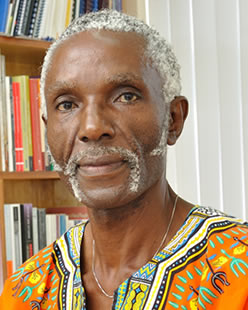
Professor Frederick Ochieng'-Odhiambo
Kenyan-born Professor Emeritus of African Philosophic Sagacity & Dean, Faculty of Humanities and Education, UWI Cave Hill
A native of Kenya, Professor Frederick Ochieng'-Odhiambo is Professor Emeritus of African Philosophic Sagacity and Dean of the Faculty of Humanities and Education at the University of the West Indies, Cave Hill Campus, Barbados. He received his PhD from the University of Nairobi and previously taught at the University of Nairobi, Consolata Institute of Philosophy, The Catholic University of Eastern Africa, and the National University of Lesotho. One of the world's foremost researchers and leading exponents of Philosophic Sagacity — the approach introduced to international philosophical circles in the 1970s by Kenyan philosopher Odera Oruka — his work bridges African traditional wisdom, moral philosophy, and social philosophy. His books include Trends and Issues in African Philosophy (Peter Lang, 2010) and African Philosophy: An Introduction, and he has published extensively on sagacious reasoning, African communalism, and the Luo philosophical tradition.
Sessions
- Session 1, Day 1 — Presenter (9:30 am – 11:15 am)
- Philosophically grounding ideas on western and indigenous knowledge
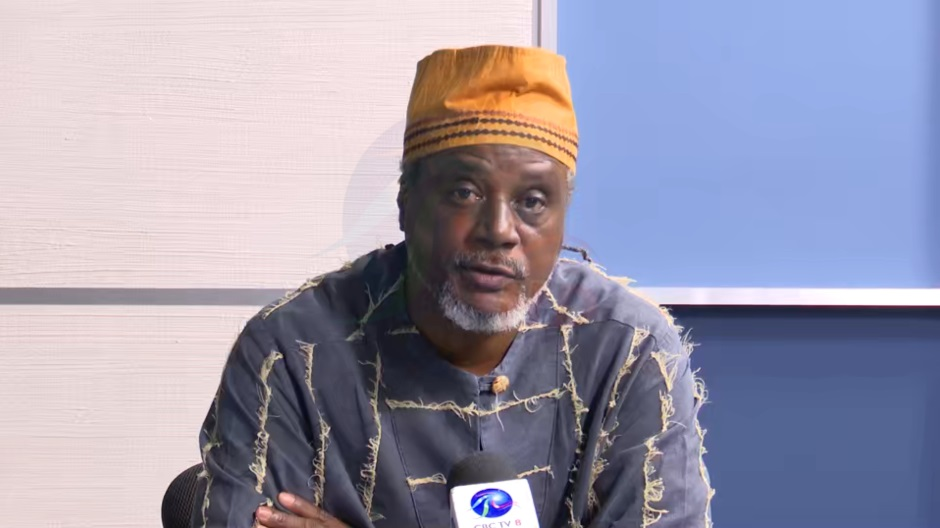
Dr. Deryck Murray
Barbadian Philosopher & Lecturer, Department of History, Philosophy and Psychology, UWI Cave Hill
Dr. Deryck Murray is a historian and theorist, Director of the Centre for Hybrid Studies, and lecturer at the Department of History, Philosophy and Psychology at the University of the West Indies, Cave Hill Campus. He also lectures in the Faculty of Science and Technology. His research focuses on African and Caribbean knowledge systems, African spirituality and religion, and the historical and contemporary role of obeah in the Caribbean. He is a recognized authority on African metaphysics, African-Creole epistemologies, and the preservation of African and Caribbean indigenous knowledge traditions. Dr. Murray has lectured extensively on African Religion and Spirituality in the Caribbean, and his scholarly work examines the philosophical dimensions of traditional African and Caribbean healing practices.
Sessions
- Session 1, Day 1 — Presenter (9:30 am – 11:15 am)
- Philosophically grounding ideas on western and indigenous knowledge
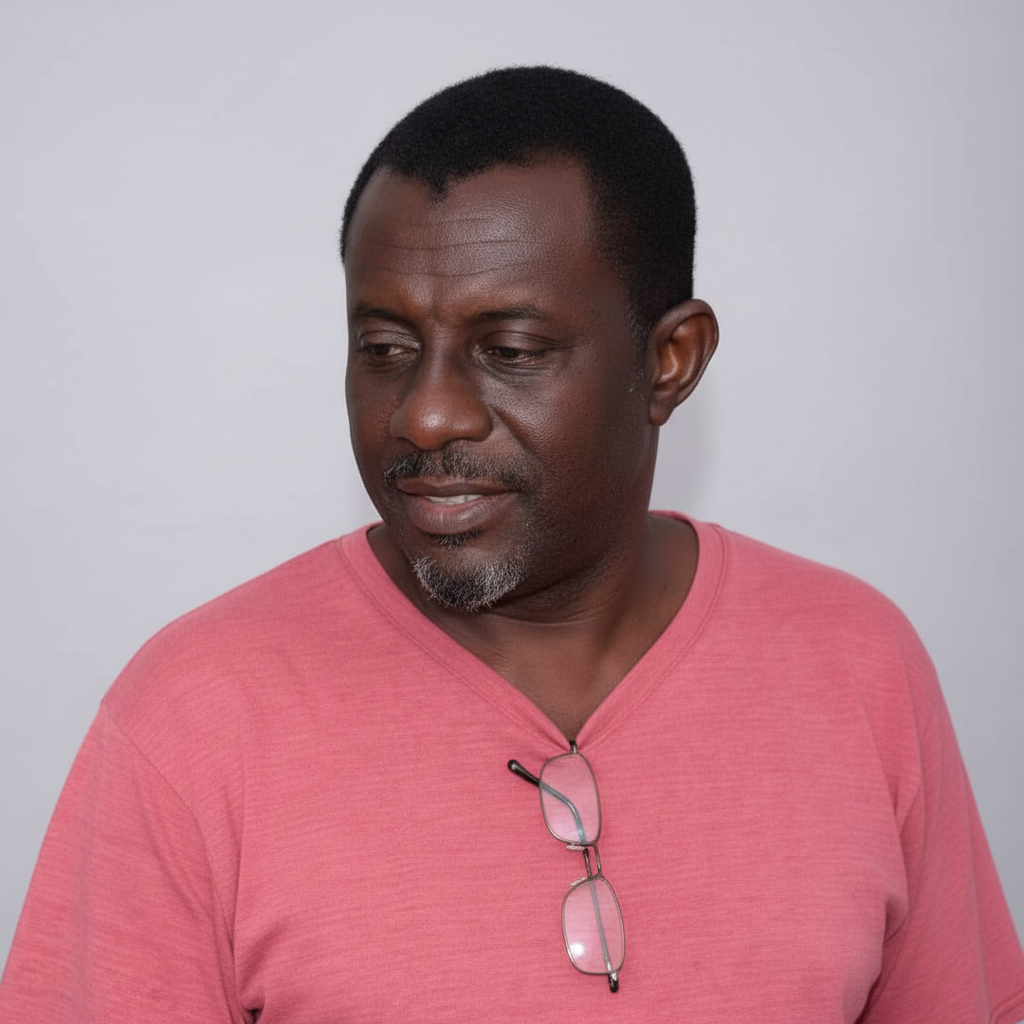
Dr. Anthony Richards
Barbadian Biotechnologist, Ethnobotanist & PDRA in Indigenous Ethnobotany of the Caribbean, University of Edinburgh
Dr. Anthony Pampalele Richards is a Barbadian biotechnologist and ethnobotanist who holds a BSc in Biochemistry/Biology (First Class Honours) from the University of the West Indies, Cave Hill. He is currently a Postdoctoral Research Associate (PDRA) in Indigenous Ethnobotany of the Caribbean at the School of Geosciences, University of Edinburgh, where his research focuses on traditional plant knowledge, biocultural heritage, and the relationship between Caribbean communities and their natural environment. A respected voice on Caribbean flora, African origins in plant traditions, and the preservation of bush doctor knowledge, Dr. Richards has collaborated extensively with BERP (the Biocultural Education and Research Programme) in Barbados and appeared in the NCF's acclaimed Bush Tea series. He co-presented 'From Slave Foods to Superfoods' at the BERP Symposium in Bridgetown, exploring the African roots of Caribbean plant use. He also serves as Secretary of the Caribbean Chapter of the Society for Economic Botany.
Sessions
- Roundtable, Day 1 — Chair (2:30 pm – 5:00 pm)
- Ethnopharmacology: Productive connections between African and Caribbean indigenous knowledge and Ethnopharmacology
- Session 1, Day 2 — Presenter (9:30 am – 11:15 am)
- Plants in Action: From folk medicine to spiritual potency
Dr. Anthony Richards
Barbadian Biotechnologist, Ethnobotanist & PDRA in Indigenous Ethnobotany of the Caribbean, University of Edinburgh
Dr. Anthony Pampalele Richards is a Barbadian biotechnologist and ethnobotanist who holds a BSc in Biochemistry/Biology (First Class Honours) from the University of the West Indies, Cave Hill. He is currently a Postdoctoral Research Associate (PDRA) in Indigenous Ethnobotany of the Caribbean at the School of Geosciences, University of Edinburgh, where his research focuses on traditional plant knowledge, biocultural heritage, and the relationship between Caribbean communities and their natural environment. A respected voice on Caribbean flora, African origins in plant traditions, and the preservation of bush doctor knowledge, Dr. Richards has collaborated extensively with BERP (the Biocultural Education and Research Programme) in Barbados and appeared in the NCF's acclaimed Bush Tea series. He co-presented 'From Slave Foods to Superfoods' at the BERP Symposium in Bridgetown, exploring the African roots of Caribbean plant use. He also serves as Secretary of the Caribbean Chapter of the Society for Economic Botany.
Sessions
- Session 1, Day 2 — Chair (9:30 am – 11:15 am)
- Debating diasporic spiritual innovations to African continental traditions
- Session 2, Day 2 — Chair (11:30 am – 1:15 pm)
- Understanding African and Caribbean traditional spirituality as ways of knowing and technologies
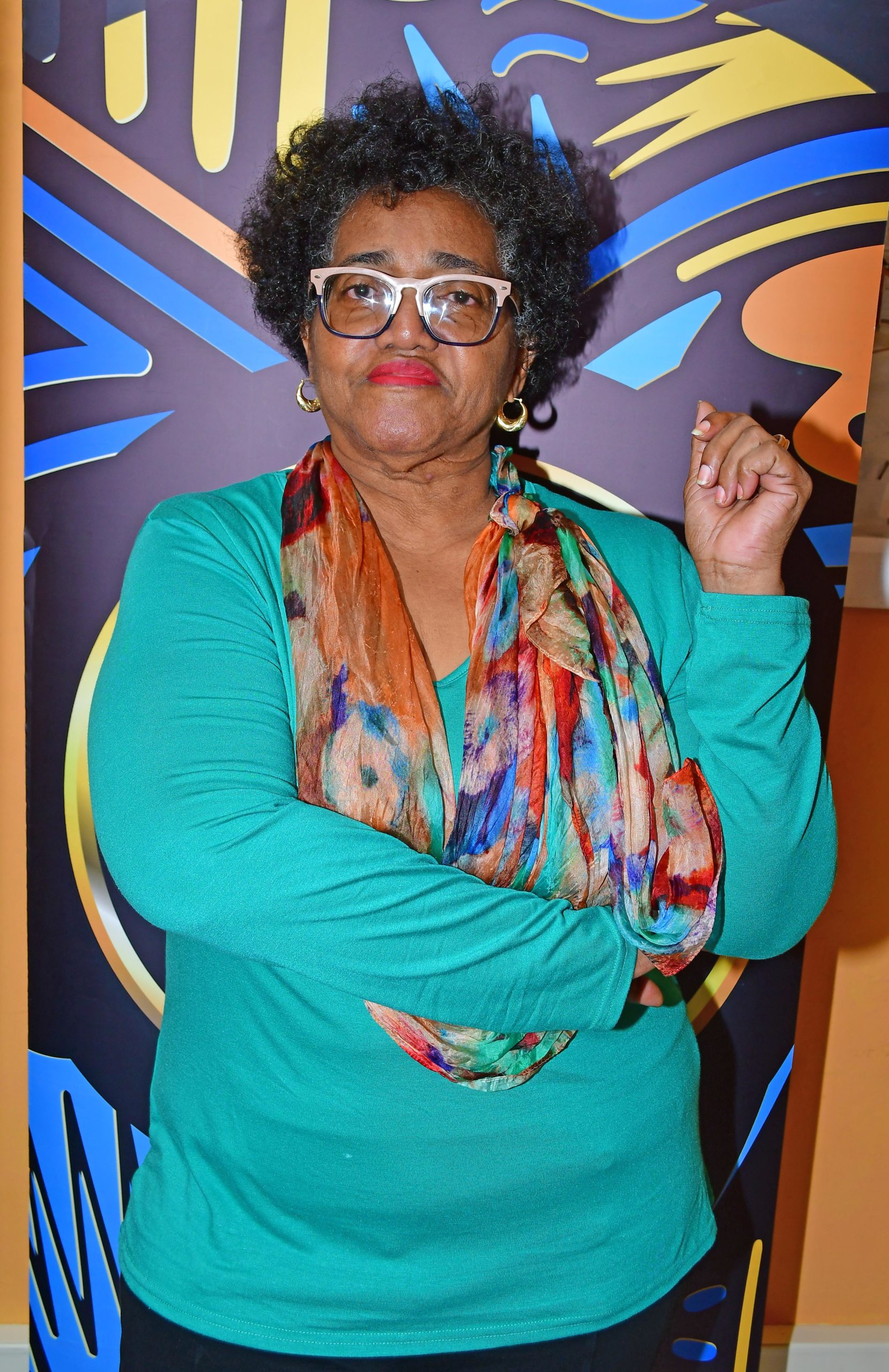
Dr. Sonia Peter
Barbadian Natural Product Chemist, Ethnobotanist & Executive Director, Biocultural Education and Research Programme (BERP)
Dr. Sonia Peter is a Natural Product Chemist and Ethnobotanist who serves as Executive Director of the Biocultural Education and Research Programme (BERP) in Barbados and Founding Director of Heritage Teas Barbados. For more than three decades she taught chemistry in the secondary school system before turning her attention to the relationship between traditional knowledge, plant biodiversity, and community health. She is an internationally recognised voice on biocultural education, ethnopharmacology, and the preservation of Caribbean indigenous plant knowledge.
Sessions
- Roundtable, Day 1 — Presenter
- Ethnopharmacology: Productive connections between African and Caribbean indigenous knowledge and Ethnopharmacology

Dr. Damian Cohall
Barbadian Dean & Senior Lecturer in Pharmacology, Faculty of Medical Sciences, UWI Cave Hill
Dr. Damian Cohall is the Dean of the Faculty of Medical Sciences and Senior Lecturer in Pharmacology at the University of the West Indies, Cave Hill Campus. A pharmacologist from Jamaica, he earned his BSc and PhD in Pharmacology from UWI Mona. His research bridges ethnopharmacology and pharmacognosy, exploring how Caribbean and African herbal traditions can yield scientifically validated treatments. He is the author of 'Medicinal Plants of Barbados for the Treatment of Communicable and Non-communicable Diseases' (UWI Press, 2014) and co-author of the UNESCO Encyclopedia chapter 'Ten Most Important Medicinal and Aromatic Plants in Barbados'. He has led studies on plants such as the Madagascar periwinkle for anti-diabetic properties and has developed research collaborations with West African institutions through the Transatlantic Centre of Excellence for Translational Research. He is a member of the Frontiers in Pharmacology Editorial Board and a recipient of UWI Cave Hill's Principal's Award of Excellence in Teaching, University and Public Service.
Sessions
- Roundtable, Day 1 — Presenter (2:30 pm – 5:00 pm)
- Ethnopharmacology: Productive connections between African and Caribbean indigenous knowledge and Ethnopharmacology
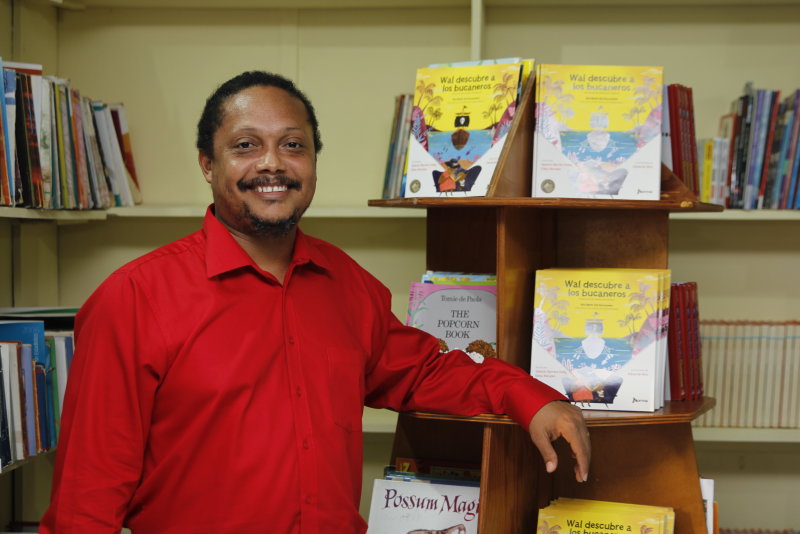
Ignacio Barrera Kelly
Colombian Author, Environmental Engineer & Cultural Advocate from San Andrés Island
Ignacio Barrera Kelly was born and raised on the island of San Andrés, Colombia — one of the westernmost Caribbean islands, home to the Raizal people with deep African and Caribbean indigenous roots. He studied at First Baptist School on the island, pursued higher education at the Universidad Cristiana de San Andrés y Providencia, and received a scholarship to study at Texas Southern University in the United States. An Environmental Engineer and Master in Mobility, he is also a celebrated author of Caribbean folklore and history, best known for his Anansi tales (Cuentos de la Tía Anancy) and his historical chronicles of San Andrés, Old Providence and Santa Catalina Islands. He is currently president of the board of directors of First Baptist School and a respected voice on Raizal and Caribbean indigenous knowledge, identity, and cultural preservation.
Sessions
- Session 2, Day 1 — Presenter (11:30 am – 1:15 pm)
- Exploring Indigenous Knowledge in Colombia
Fanny Regina Howard Newball, M.A., M.Ed.
Executive Director, FIOPSC Foundation USA-CO | Sustainable Development and Raizal Community Leader
Fanny Regina Howard Newball is a bilingual sustainable development professional from Old Providence Island, Colombia, with more than 25 years of experience in environmental management, education, community development, climate adaptation, and territorial planning in island and coastal communities. She holds a Master's degree in Sustainable International Development from Brandeis University and a Master's degree in School Guidance and Counseling from Boston University. Throughout her career, Fanny has worked with organizations including the WWF, CORALINA, the Rocky Mountain Institute, and the Municipality of Old Providence and Santa Catalina. She currently serves as Executive Director of the FIOPSC Foundation USA and Colombia, where she leads initiatives focused on sustainable livelihoods, food sovereignty, cultural revitalization, human rights, and resilience for the Raizal people. Recognized as a Fulbright, COLFUTURO, and Margaret McNamara scholar, Fanny is a passionate advocate for community-led development, environmental stewardship, and the preservation of Raizal culture and heritage.
Sessions
- Session 2, Day 1 — Presenter (11:30 am – 1:15 pm)
- Exploring Indigenous Knowledge in Colombia
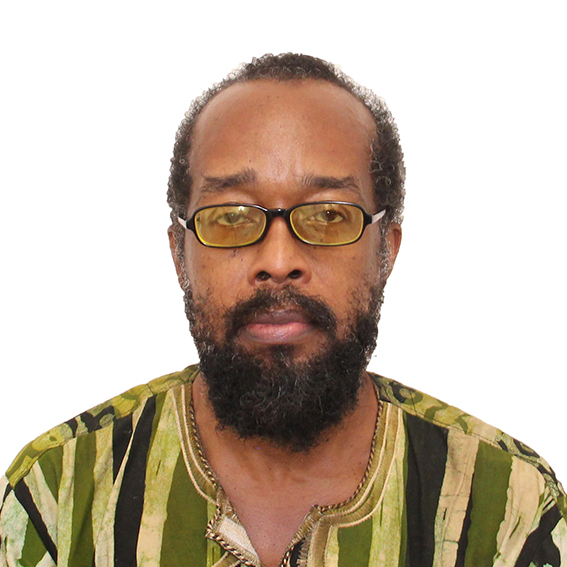
Dr. Michael Barnett
Jamaican Senior Lecturer in Sociology, Psychology and Social Work, UWI Mona & Rastafari Scholar
Dr. Michael A. Barnett is a Senior Lecturer in the Department of Sociology, Psychology and Social Work at the University of the West Indies, Mona Campus. His areas of specialization are Critical Race Theory, African Diaspora Studies, and Sociological Theory. In April 2017 he was vested with the Ethiopian Knighthood, 'Commander of the Order of the Star of Honour of Ethiopia', by the Ethiopian Crown Council — the first Jamaican on record to be inducted into the International Society for the Imperial Ethiopian Orders in the 21st century. He has authored numerous journal articles on Marcus Garvey and Rastafari, and has edited and co-edited several major Rastafari anthologies, including Rastafari in the New Millennium, Leonard Percival Howell and the Genesis of Rastafari, and A 2020 Vision Perspective on the Rastafari Movement. He is also the single author of The Rastafari Movement: A North American and Caribbean Perspective.
Sessions
- Session 2, Day 2 — Presenter (11:30 am – 1:15 pm)
- Marijuana: A site where indigenous knowledge confronts western science and state power

Dr. Machel Emanuel
Dominican-born Botanist, Horticultural Scientist & Lecturer, Department of Life Sciences, Faculty of Science and Technology, UWI Mona
Dr. Machel Emanuel is a botanist, horticultural scientist and cannabis researcher based at the Department of Life Sciences, Faculty of Science and Technology, University of the West Indies, Mona Campus. Born and raised in Dominica — the nature island of the Caribbean — he grew up immersed in sustainable agriculture on his family's citrus estate, cultivating crops in the mountains before pursuing formal study. He holds a BSc in Zoology and Botany, an MSc in Plant Production and Protection, and a PhD in Botany (Postharvest of Tropical Fruits and Vegetables) from UWI Mona. He conducted research at Universidad Autónoma de Querétaro in Mexico and the University of Florida, and was awarded best oral presentation at the 3rd All Africa Horticultural Congress in Ibadan, Nigeria (2016). A leading Caribbean voice on cannabis science and advocacy, he served as Vice Chair of the Bureau of Standards Jamaica Cannabis Technical Committee and led the development of Jamaica's cannabis cultivation, packaging and processing standards. His work bridges indigenous horticultural knowledge, food sovereignty, and the science of tropical crops — including ackee, coffee and cannabis — with deep roots in African and Caribbean agrarian traditions.
Sessions
- Session 2, Day 2 — Presenter (11:30 am – 1:15 pm)
- Marijuana: A site where indigenous knowledge confronts western science and state power
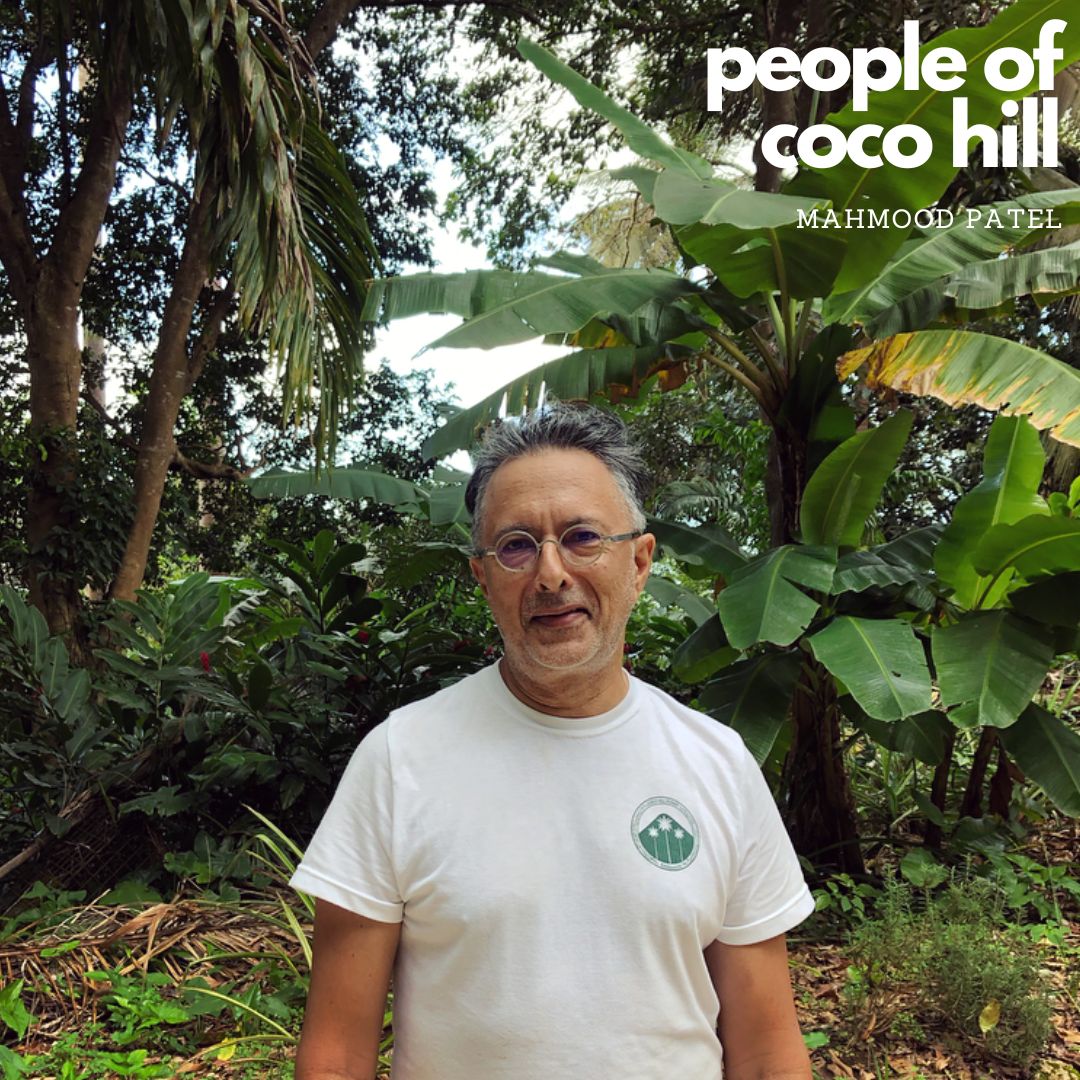
Mahmood Patel
Barbadian Hotelier, Filmmaker & Founder, Coco Hill Forest
Mahmood Patel is the founder and owner of Coco Hill Forest, a 53-acre regenerative agroforestry project in Barbados established in 2014. A hotelier and filmmaker, Mahmood created Coco Hill to grow food locally and sustainably, and has since developed it into a thriving agrotourism sanctuary with 3.5km of hiking trails overlooking Barbados' east coast. He is Chairman of the Intimate Hotels of Barbados, Chair of the Barbados National Strategic Plan for the Coconut Sector, and a BTMI Board member. His work bridges regenerative agriculture, indigenous land knowledge, and sustainable tourism, with a mission to repair the land and human relationships with it.
Sessions
- Roundtable, Day 2 — Presenter (2:30 pm – 5:00 pm)
- Understanding the value of indigenous knowledge and the cost of its colonial destruction
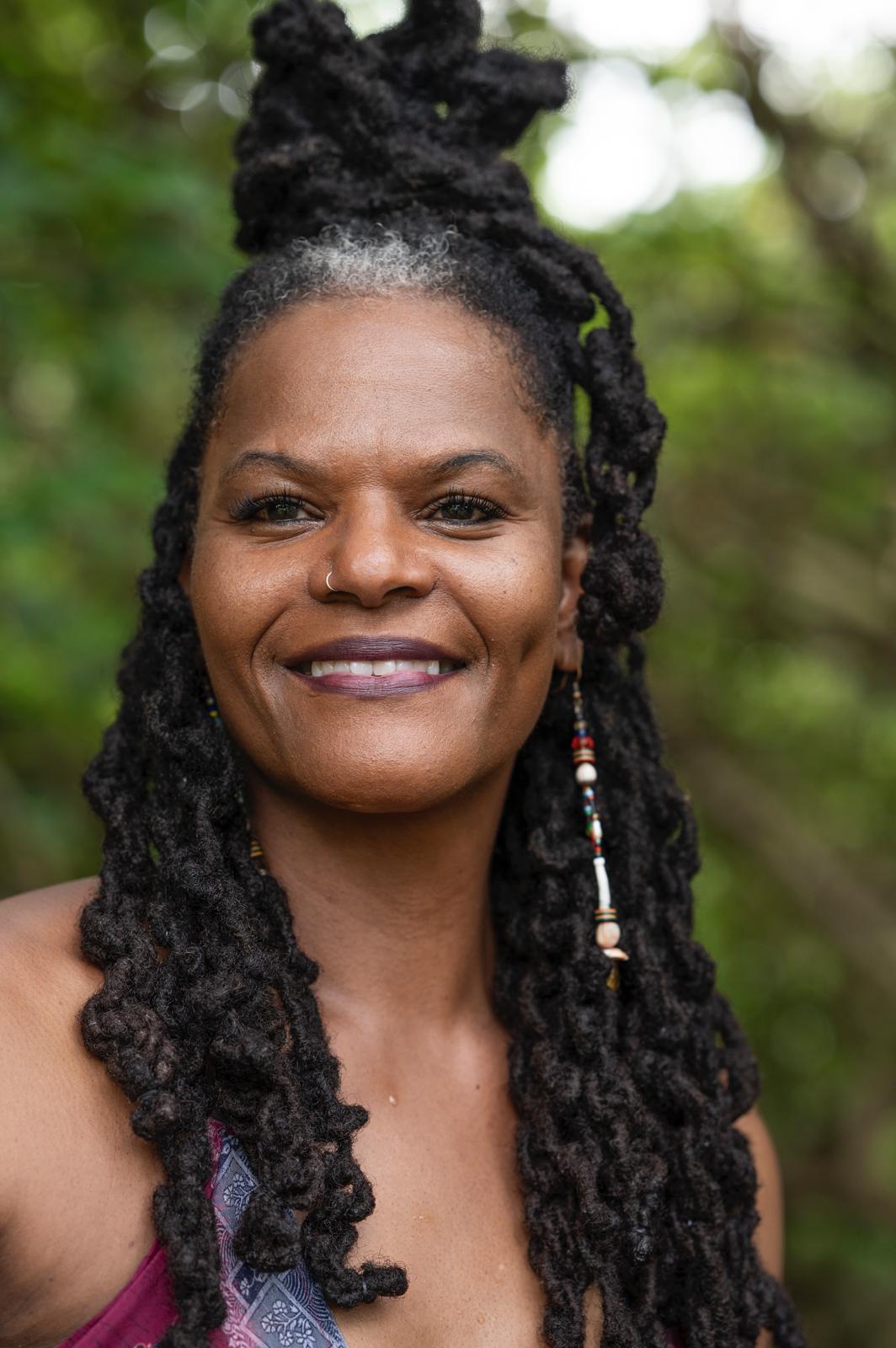
Dr. Yanique Hume
Barbadian Senior Lecturer & Head of Cultural Studies, UWI Cave Hill
Dr. Yanique Hume is a Senior Lecturer and Head of the Department of Cultural Studies at the University of the West Indies, Cave Hill Campus. A multifaceted scholar, dancer and choreographer, she specialises in Caribbean cultural thought and the religious and performance cultures of the African diaspora. She conducts interdisciplinary research in the humanities and creative arts, utilizing cultural anthropology, cultural studies, comparative religion, performance studies, and critical dance practice. Her current book project, 'Ecstatic Play: Transcending Spirit in the Traditions of the Wake,' explores the aesthetic and performative dimensions of Black Atlantic mortuary customs. She is co-editor of Caribbean Cultural Thought: From Plantation to Diaspora (2013), Caribbean Popular Culture: Power, Politics and Performance (2016), and Passages and Afterworlds: Anthropological Perspectives on Death in the Caribbean (2018). She is the recipient of grants from the Social Science Research Council, the Ford Foundation, and the Wenner-Gren Foundation for Anthropological Research.
Sessions
- Session 2, Day 3 — Presenter (11:30 am – 1:15 pm)
- Deploying Systems of Divination to Access Knowledge
Nana Yaw Wi Asamoah Boadi
Ghanaian Traditionalist Scholar, Research Associate, Institute for Indigenous Intelligence & Member, National Association of Traditionalists and Ancestral Venerators (NATAV)
Nana Yaw Wi Asamoah Boadi is a Ghanaian traditionalist scholar and Research Associate at the Institute for Indigenous Intelligence, based at the Nile Valley Multiversity in the Bono East Region of Ghana. A member of the National Association of Traditionalists and Ancestral Venerators (NATAV), his work centres on African indigenous spirituality, the philosophy and cosmology of the Abosom and Suman traditions, and the interface between African metaphysics and modern systems of knowledge. He has written extensively on the epistemic value of African traditional shrines and spiritual mediums, advocating for legal and cultural recognition of indigenous religious practices in Ghana. He is a vocal proponent of decolonising African spiritual heritage and restoring the dignity of traditional worship in public life.
Sessions
- Session 1, Day 3 — Presenter (9:30 am – 11:15 am)
- An exploration of African metaphysics
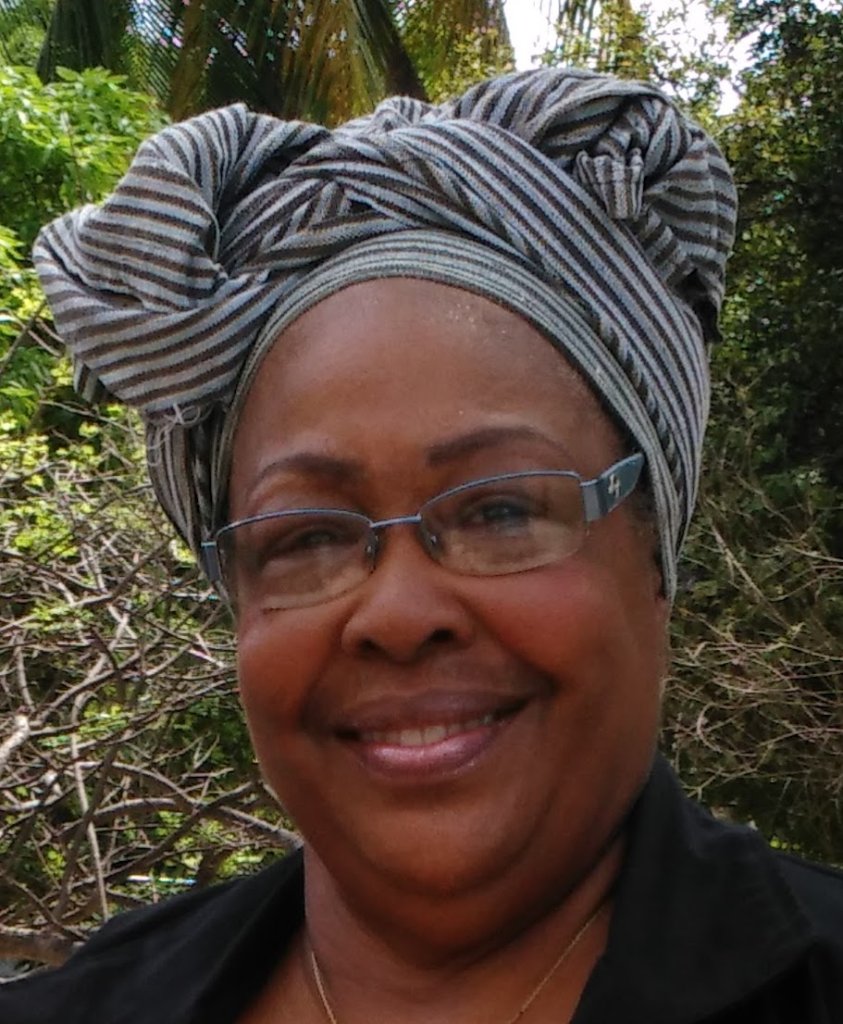
Dr. Editha (Nancy) Fergusson-Jacobs
Barbadian Art Historian, Specialist Lecturer in Caribbean History & Author, Full Steam Ahead: Locating the Barbados Landship
Dr. Editha (Nancy) Fergusson-Jacobs is a Barbadian art historian and specialist lecturer with over 49 years of experience in Caribbean History, Culture and African Art History. She is the author of the definitive book on the Barbados Landship — Full Steam Ahead: Locating the Barbados Landship — which traces the movement's African origins to the Asafo institution in Ghana. She served as Chair of the Department of Humanities, Arts and Culture at T.A. Marryshow Community College in Grenada before returning to Barbados in 2012. She is now an independent scholar who lectures and curates on African Art, Culture, and the African heritage in the Caribbean.
Sessions
- Roundtable, Day 3 — Presenter (2:30 pm – 5:00 pm)
- The Value and Future of African and Caribbean Indigenous Knowledge
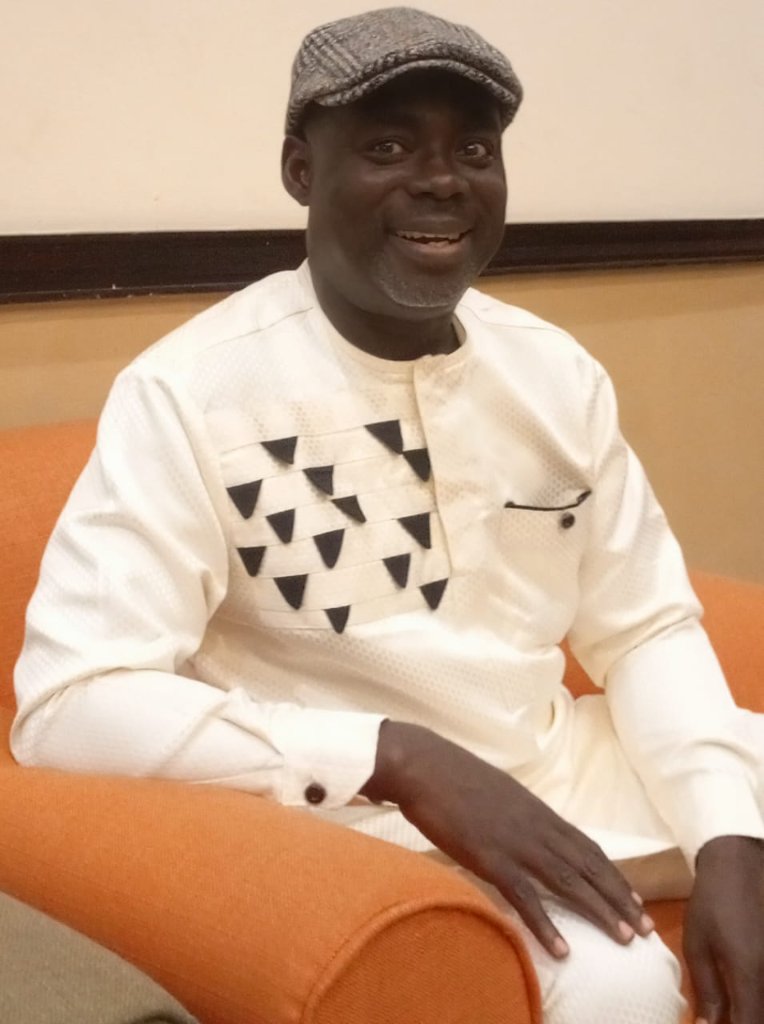
Dr. Seth Tweneboah
Ghanaian Senior Lecturer, Centre for African Studies, University of Education, Winneba
Dr. Seth Tweneboah is a Senior Lecturer at the Centre for African Studies of the University of Education, Winneba, Ghana. His research focuses on African traditional religion, indigenous spirituality, legal pluralism, and the intersections of religion, law, and politics in Africa. He is the author of Religion, Law, Politics and the State in Africa: Applying Legal Pluralism in Ghana (Routledge, 2020) and has written extensively on African indigenous knowledge systems, the role of traditional deities in contemporary Ghanaian society, and the tensions between African spirituality and state power. He received his PhD from the University of Ghana and has presented research at Yale University's Institute of Sacred Music.
Sessions
- Roundtable, Day 3 — Presenter (2:30 pm – 5:00 pm)
- The Value and Future of African and Caribbean Indigenous Knowledge
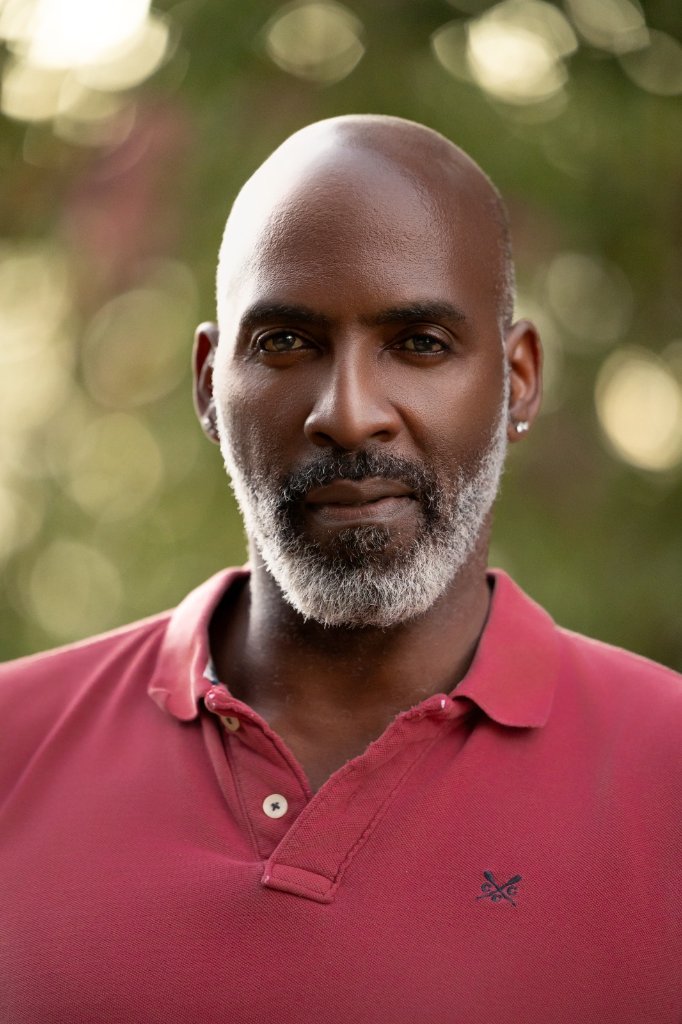
Dr. John Hunte
Barbadian Lecturer in Cultural & Gender Studies, UWI Cave Hill & Executive Director, Barbados Dance Project Inc.
John Hunte, PhD, is an arts practitioner and producer, cultural activist, educator, and scholar. He lectures in Creative, Cultural, and Gender Studies at the University of the West Indies, Cave Hill Campus, and teaches in the Arts Management, Dance, and Theatre programmes at the Barbados Community College. Raised in the Anglican tradition, he entered the Spiritual Baptist Faith in 1993 and was ordained as a minister in 2003. He served as the inaugural Chair of the Council of Spiritual Baptist Churches of Barbados (CSBCB) and currently serves as its General Secretary. In recent years, Hunte's spiritual journey has expanded through his engagement with a spiritual house established in Barbados as a branch of the Cabildo Omi Omi in Cuba. He is also a member of the Dagara Village Collective, a community dedicated to restoring and renewing connections to African ancestral knowledge, spirituality, and ways of living in the contemporary world.
Sessions
- Roundtable, Day 3 — Presenter (2:30 pm – 5:00 pm)
- The Value and Future of African and Caribbean Indigenous Knowledge
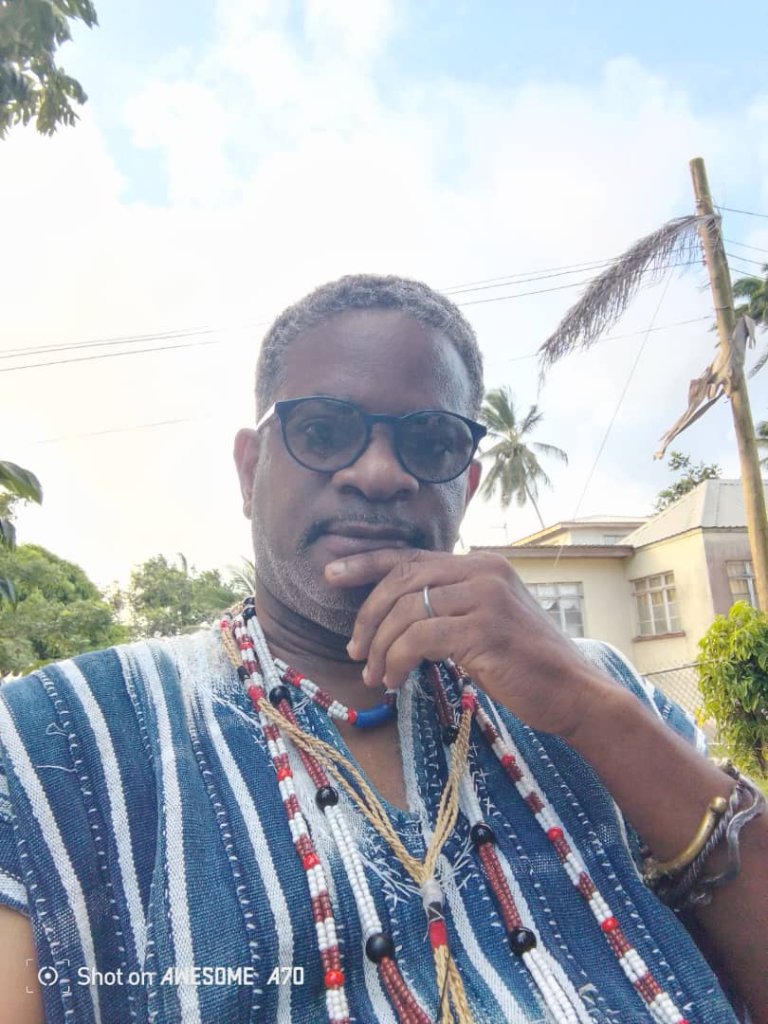
Ikaivla Awudi Kamberi
Barbadian Doctor of Acupuncture & Traditional Chinese Medicine · Founder, Meridian Natural Health · Dagara, Korku, Vudoun Priest & Kontomble Diviner
Ikaivla Awudi Kamberi, also known by his Eurocentric name Michael Springer, is a Doctor of Acupuncture and Traditional Chinese Medicine, with more than 25 years of clinical experience. He is the Founder and Clinical Director of Meridian Natural Health, where his work brings together clinical practice, traditional healing knowledge and a holistic understanding of health and well-being. Ikaivla is a Dagara Bagri Initiate and Priest (Mwenuo Shrine, Burkina Faso), Korku Initiate and Priest (TradoAfrikan Faith Centre, Afife Yakadome, Ketu North, Volta Region, Ghana), Vudoun Dan Initiate and Priest within the Mami and Papi traditions (Torgbe Shrine, Volta Region, Ghana), and a Kontomble Diviner (Recluse – Erou, Diebougou, Burkina Faso). Since 2012, he has returned to Afrika every year (Burkina Faso, Ghana – Weta Volta Region, Lawra Upper West Region, Togo), maintaining a continuous relationship with the continent and deepening his knowledge through initiation, direct participation and ongoing spiritual practice.
Sessions
- Session 1, Day 1 — Presenter (9:30 am – 11:15 am)
- West African Spiritual Traditions on the Continent
- Roundtable, Day 1 — Presenter (2:30 pm – 5:00 pm)
- African Spirituality in Africa
Nana Yaw Wi Asamoah Boadi
Ghanaian Traditionalist Scholar, Research Associate, Institute for Indigenous Intelligence & Member, National Association of Traditionalists and Ancestral Venerators (NATAV)
Nana Yaw Wi Asamoah Boadi is a Ghanaian traditionalist scholar and Research Associate at the Institute for Indigenous Intelligence, based at the Nile Valley Multiversity in the Bono East Region of Ghana. A member of the National Association of Traditionalists and Ancestral Venerators (NATAV), his work centres on African indigenous spirituality, the philosophy and cosmology of the Abosom and Suman traditions, and the interface between African metaphysics and modern systems of knowledge. He has written extensively on the epistemic value of African traditional shrines and spiritual mediums, advocating for legal and cultural recognition of indigenous religious practices in Ghana. He is a vocal proponent of decolonising African spiritual heritage and restoring the dignity of traditional worship in public life.
Sessions
- Session 1, Day 1 — Presenter (9:30 am – 11:15 am)
- West African Spiritual Traditions on the Continent
- Roundtable, Day 1 — Presenter (2:30 pm – 5:00 pm)
- African Spirituality in Africa
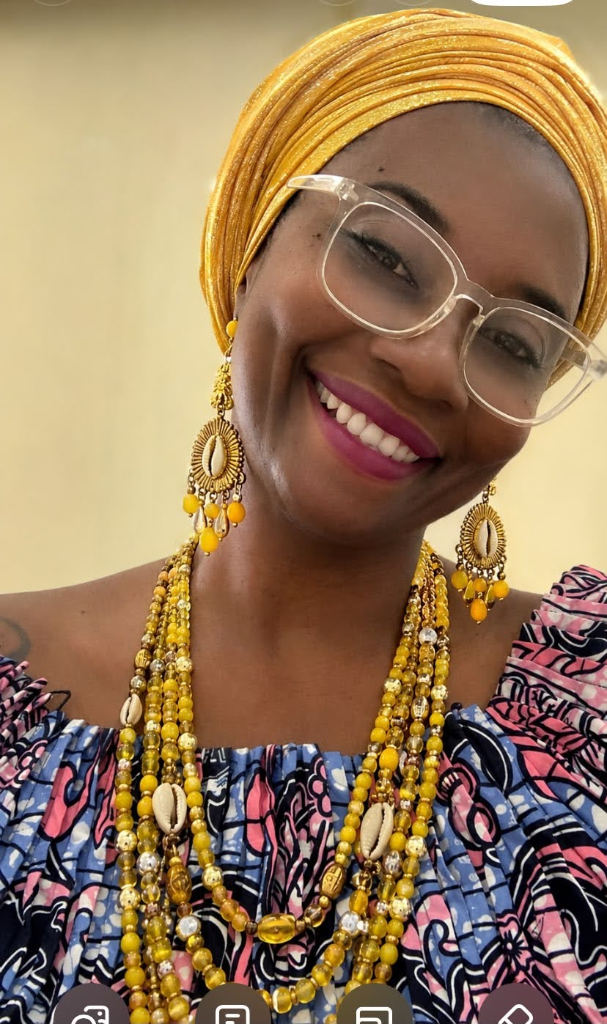
Mechell Marshall
Barbadian Registered Nurse, Midwife, Public Health Sister & Iyanifa (Yoruba Ifá / Òrìṣà Tradition)
Mechell Marshall (RN, RM, PHS) is a Registered Nurse, Registered Midwife, and Public Health Sister, as well as a community advocate, educator, and lifelong student of Ifá and Òrìṣà traditions. Within the Yoruba spiritual tradition she is Iyanifa Abeni Osunyemi Ogunfumi Awoinfa Falokun, Agba Iya Iwa Pele Ile — dedicated to upholding the wisdom of Ifá, cultivating Ìwà Pẹ̀lẹ́ (good character), honouring the ancestors, and preserving the sacred traditions of the Òrìṣà. Her work bridges healthcare, community service, and Indigenous African knowledge systems, recognising that true healing embraces body, mind, spirit, community, and our relationship with the Earth.
Sessions
- Session 1, Day 1 — Presenter (9:30 am – 11:15 am)
- West African Spiritual Traditions on the Continent
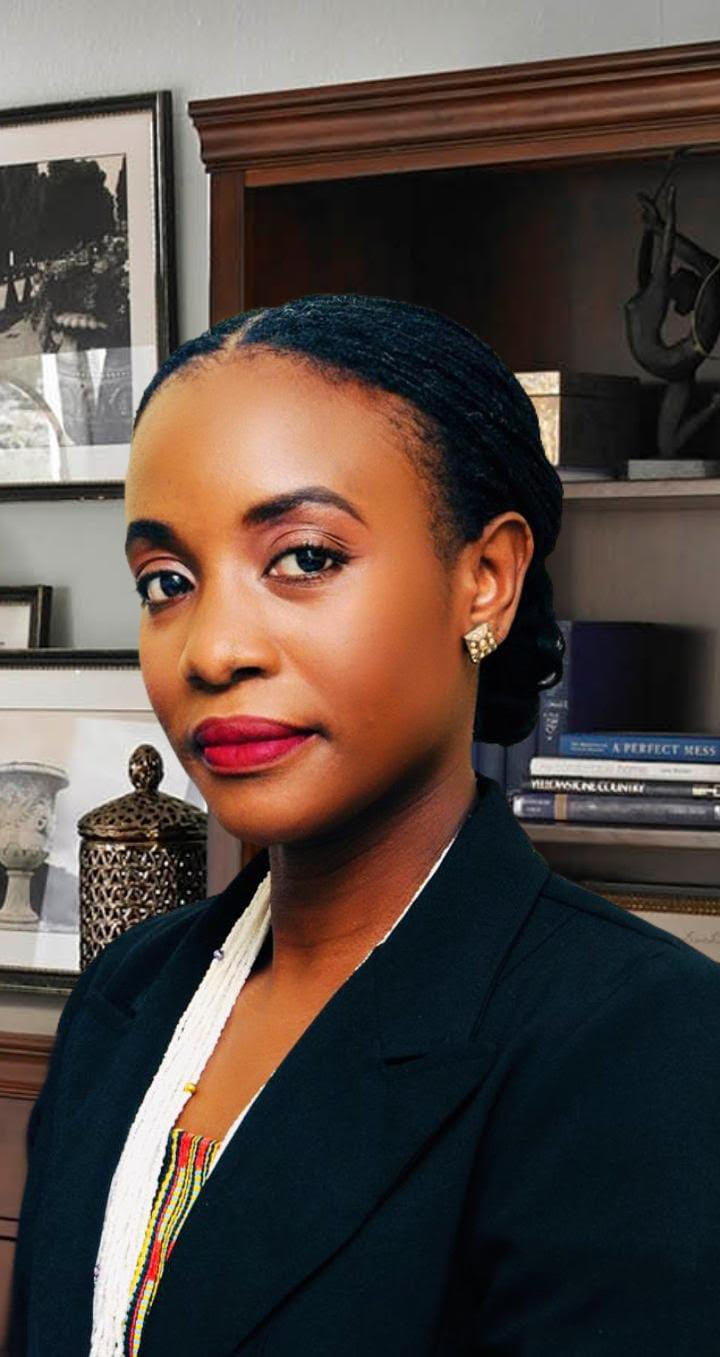
Felicia Dujon
St. Lucian/Barbadian Lecturer in Philosophy, University of the West Indies, Cave Hill
Felicia Dujon is a Temporary Lecturer in Philosophy at the University of the West Indies, Cave Hill Campus. She has served as a human rights expert in various capacities within civil and governmental organisations, and has received numerous awards for her work in community development and activism — including being named an Ambassador for Peace and a nominee for the 2018 UNESCO-Madanjeet Singh Prize for the Promotion of Tolerance and Non-Violence. Her research areas span gender and political philosophy, Caribbean philosophy, African philosophy, legal philosophy, and the philosophy of science and technology. Her weekly articles and commentaries appear regularly in regional and local newspapers throughout the Caribbean.
Sessions
- Session 1, Day 1 — Chair (9:30 am – 11:15 am)
- West African Spiritual Traditions on the Continent
- Roundtable, Day 2 — Chair (2:30 pm – 5:00 pm)
- African Spirituality in the Diaspora
Burton Sankeralli
Trinidadian Philosopher, Independent Intellectual & Co-founder, Philosophical Society of Trinidad and Tobago
Burton Sankeralli is a Trinidadian philosopher and independent intellectual who has been involved in philosophical research and Caribbean culture for over two decades. A former newspaper columnist, his writings have appeared in numerous scholarly and academic publications. He is the editor of At the Crossroads: African Caribbean Religion and Christianity (1995), published by the Caribbean Conference of Churches, and co-founder of the Philosophical Society of Trinidad and Tobago. His work engages Caribbean philosophy, African diaspora spirituality, and the Trinidadian cultural landscape.
Sessions
- Session 2, Day 1 — Presenter (11:30 am – 1:15 pm)
- African Spiritual Traditions in the Caribbean
- Session 2, Day 2 — Presenter (11:30 am – 1:15 pm)
- Understanding African and Caribbean Traditional Spirituality as Ways of Knowing and Technologies
Dr. John Hunte
Barbadian King Shepherd of Israel, Council of Spiritual Baptist Churches of Barbados · Lecturer in Cultural & Gender Studies, UWI Cave Hill
John Hunte, PhD, is an arts practitioner and producer, cultural activist, educator, and scholar. He lectures in Creative, Cultural, and Gender Studies at the University of the West Indies, Cave Hill Campus, and teaches in the Arts Management, Dance, and Theatre programmes at the Barbados Community College. Raised in the Anglican tradition, he entered the Spiritual Baptist Faith in 1993 and was ordained as a minister in 2003. He served as the inaugural Chair of the Council of Spiritual Baptist Churches of Barbados (CSBCB) and currently serves as its General Secretary. In recent years, Hunte's spiritual journey has expanded through his engagement with a spiritual house established in Barbados as a branch of the Cabildo Omi Omi in Cuba. He is also a member of the Dagara Village Collective, a community dedicated to restoring and renewing connections to African ancestral knowledge, spirituality, and ways of living in the contemporary world.
Sessions
- Session 2, Day 1 — Chair & Presenter (11:30 am – 1:15 pm)
- African Spiritual Traditions in the Caribbean
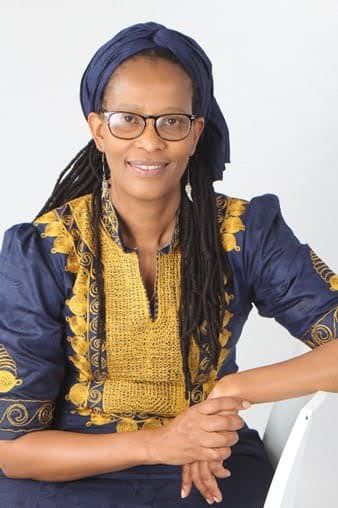
Tebogo Buntu
South African Afrikan-Centred Community Educator, Director of eBukhosini Solutions & Founder of KANDAKA – Women's Initiative
Tebogo Buntu is a community educator and healing practitioner deeply grounded in African-centered knowledge systems. As Director of eBukhosini Solutions, she designs and leads transformative programs focused on identity, ancestral healing, and holistic living. She is also the visionary founder of KANDAKA – Women's Initiative, where she guides Afrikan women through womb healing, ancestral consciousness, and feminine restoration. A certified Kemetic Yoga instructor and dedicated student of Ancient Kemet teachings, Tebogo is passionate about self-healing, Sisterhood, and the decolonial power of reconnecting with ancestral wisdom. Her academic journey spans Human Resource Management, Indigenous Knowledge Systems, and Philosophy of Education, reflecting her commitment to bridging scholarship with lived Afrikan traditions.
Sessions
- Roundtable, Day 1 — Presenter (2:30 pm – 5:00 pm)
- African Spirituality in Africa
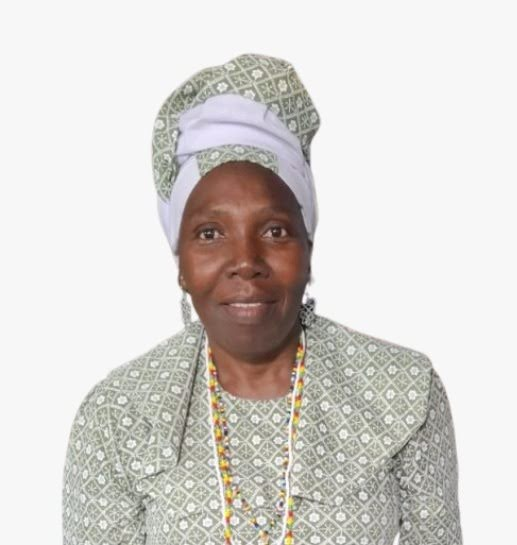
Ireka Jelani
Barbadian Rastafarian Artisan, Founder of Roots & Grasses Basketry & Director of Ngozi Farm and Cultural Sanctuary
Ireka "Queen Mother" Jelani is a Barbadian master artisan, cultural keeper and Rastafarian livity practitioner whose life's work embodies African-centered ways of knowing. Since 1988 she and her husband Prince Pine have run Roots and Grasses, the celebrated basketry and craft studio in Pelican Village, weaving handbags, jewellery and homeware from indigenous Barbadian fibres — Khus Khus (vetiver), Rock Balsam, Pandanus and Cabbage Palm — knowledge passed down from her mother. She is also the founder and director of Ngozi Farm and Cultural Sanctuary in St. Andrew, a living space where agriculture, ancestral craft and Afrikan spiritual practice meet. A coordinating tutor of the National Cultural Foundation's International Masquerade and a holder of degrees in Finance, Art and Gender Studies from the University of the West Indies and Barbados Community College, Ireka carries Rastafari's teachings of self-reliance, sustainable living and reverence for the land, bringing a practitioner's voice to the symposium's exploration of Caribbean traditional spirituality as technology and way of knowing.
Sessions
- Session 2, Day 2 — Presenter (11:30 am – 1:15 pm)
- Understanding African and Caribbean traditional spirituality as ways of knowing and technologies
Dr. Yanique Hume
Jamaican Senior Lecturer & Head of Cultural Studies, UWI Cave Hill
Dr. Yanique Hume is a Senior Lecturer and Head of the Department of Cultural Studies at the University of the West Indies, Cave Hill Campus. A multifaceted scholar, dancer and choreographer, she specialises in Caribbean cultural thought and the religious and performance cultures of the African diaspora. She conducts interdisciplinary research in the humanities and creative arts, utilizing cultural anthropology, cultural studies, comparative religion, performance studies, and critical dance practice. Her current book project, 'Ecstatic Play: Transcending Spirit in the Traditions of the Wake,' explores the aesthetic and performative dimensions of Black Atlantic mortuary customs. She is co-editor of Caribbean Cultural Thought: From Plantation to Diaspora (2013), Caribbean Popular Culture: Power, Politics and Performance (2016), and Passages and Afterworlds: Anthropological Perspectives on Death in the Caribbean (2018). She is the recipient of grants from the Social Science Research Council, the Ford Foundation, and the Wenner-Gren Foundation for Anthropological Research.
Sessions
- Session 1, Day 2 — Presenter (9:30 am – 11:15 am)
- Debating diasporic spiritual innovations to African continental traditions
- Session 2, Day 2 — Presenter (11:30 am – 1:15 pm)
- Understanding African and Caribbean traditional spirituality as ways of knowing and technologies
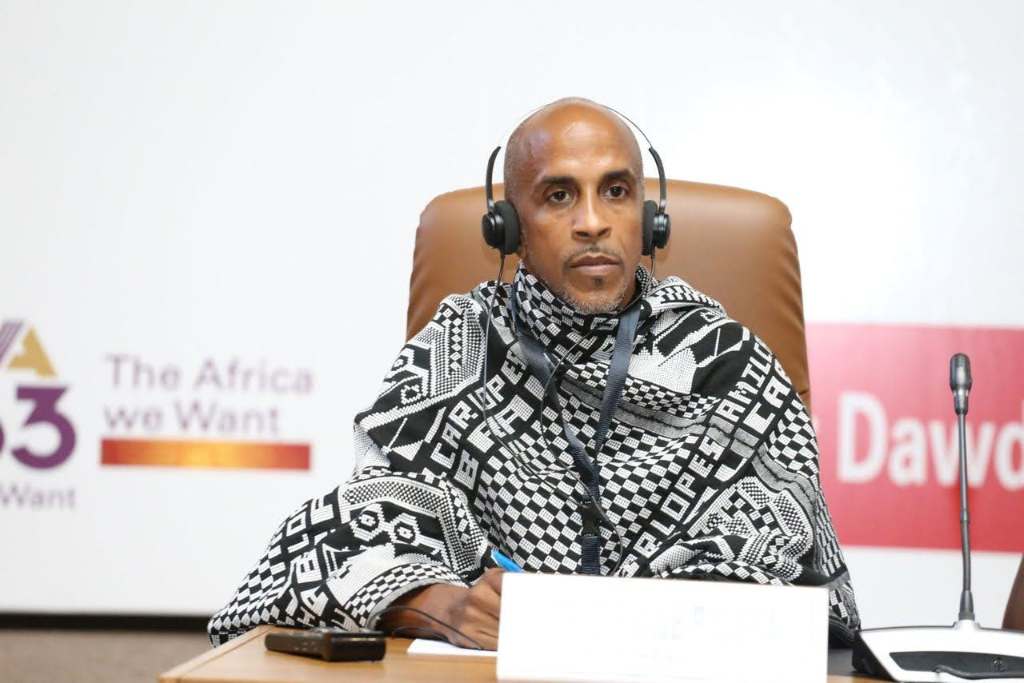
Siphiwe Baleka
American Global Afrikan Reparatory Justice Strategist · Afrodescendant Theocratic Special Envoy Extraordinary & High Chancellor of Lineage & Ancestral Return, Alafia High Council
Siphiwe Baleka is a former world-class swimmer and Yale graduate turned leading strategist and advocate for Global Afrikan Reparatory Justice. For more than two decades he has worked to develop the African Diaspora as the 6th Region of the African Union and to advance Afro Descendants' Right of Return and citizenship in their ancestral homelands on the African continent. He serves as Afrodescendant Theocratic Special Envoy Extraordinary & Reparations Expert and High Chancellor of Lineage & Ancestral Return of the Alafia High Council, and is President of the Balanta B'urassa History and Genealogy Society in America (BBHAGSIA), which has secured citizenship in Guinea Bissau for its members and Afro Descendants of Guinea Bissau origin. He recently led the campaign requesting an Advisory Opinion from the International Court of Justice on reparations centered on the Dum Diversas Apostolic Edict declaring total war on African people.
Sessions
- Session 1, Day 2 — Presenter (9:30 am – 11:15 am)
- Debating diasporic spiritual innovations to African continental traditions
- Roundtable, Day 3 — Presenter (2:30 pm – 5:00 pm)
- Contemporary challenges facing the practice of Traditional African and African Diasporic Spirituality and possible solutions
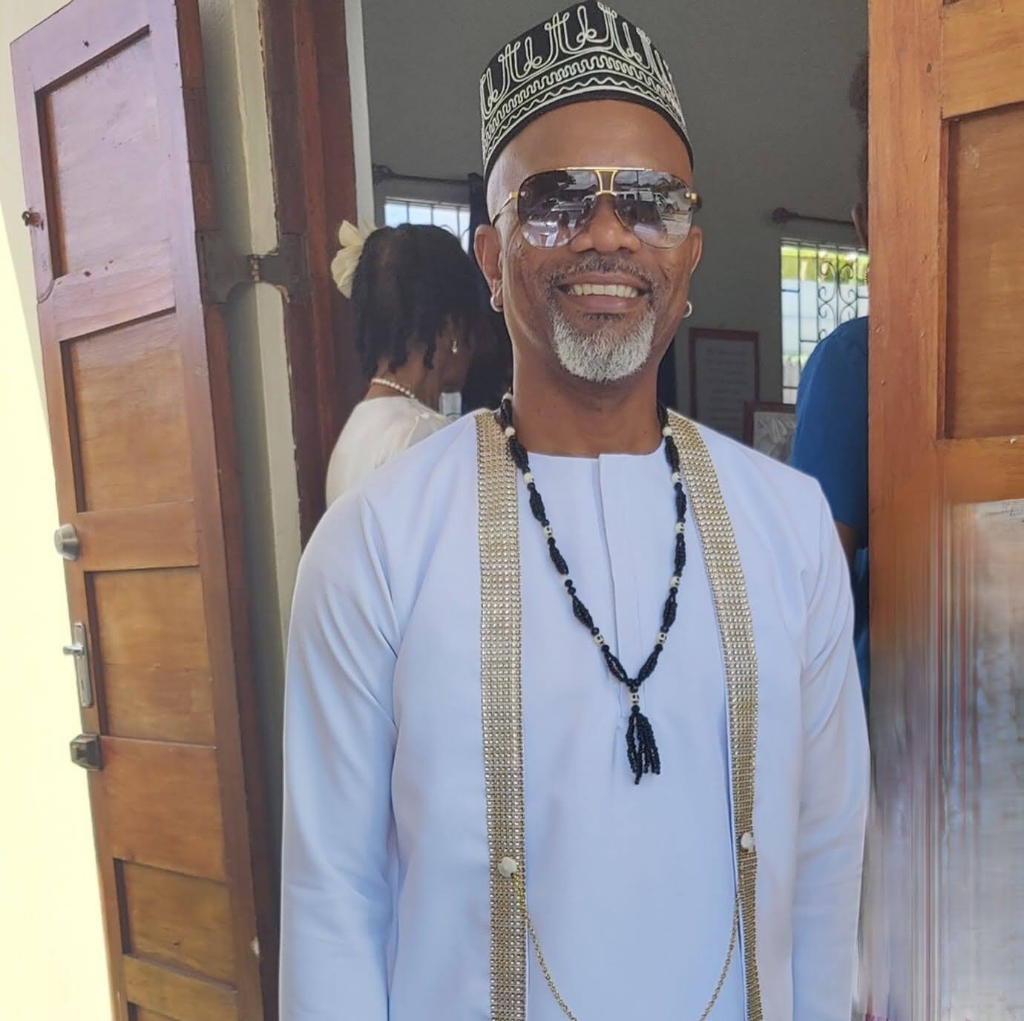
Edward Forde
Barbadian Lucumí Practitioner (25+ Yrs) · Initiated Eshu Priest (Cuba) · Palo Mayombe Initiate (20+ Yrs, Cuba) · AMORC Initiate (28 Yrs)
Edward O Forde, known as Esunle, is a Lucumí Practitioner of over 25 years and an initiated Eshu Priest in Cuba. He is an initiate into the Palo Mayombe mysteries for over 20 years (Cuba) and an initiate of the Ancient and Mystical Order Rosae Crucis (AMORC) for 28 years. Edward Forde is a Barbadian brand and marketing consultant with Export Barbados (BIDC), where he has played a leading role in the promotion and revitalisation of Pelican Village as a cultural and creative hub. A seasoned communications professional, he has been a prominent public voice for Export Barbados on matters of cultural enterprise, creative industries, and national branding.
Sessions
- Session 2, Day 1 — Presenter (11:30 am – 1:15 pm)
- African Spiritual Traditions in the Caribbean
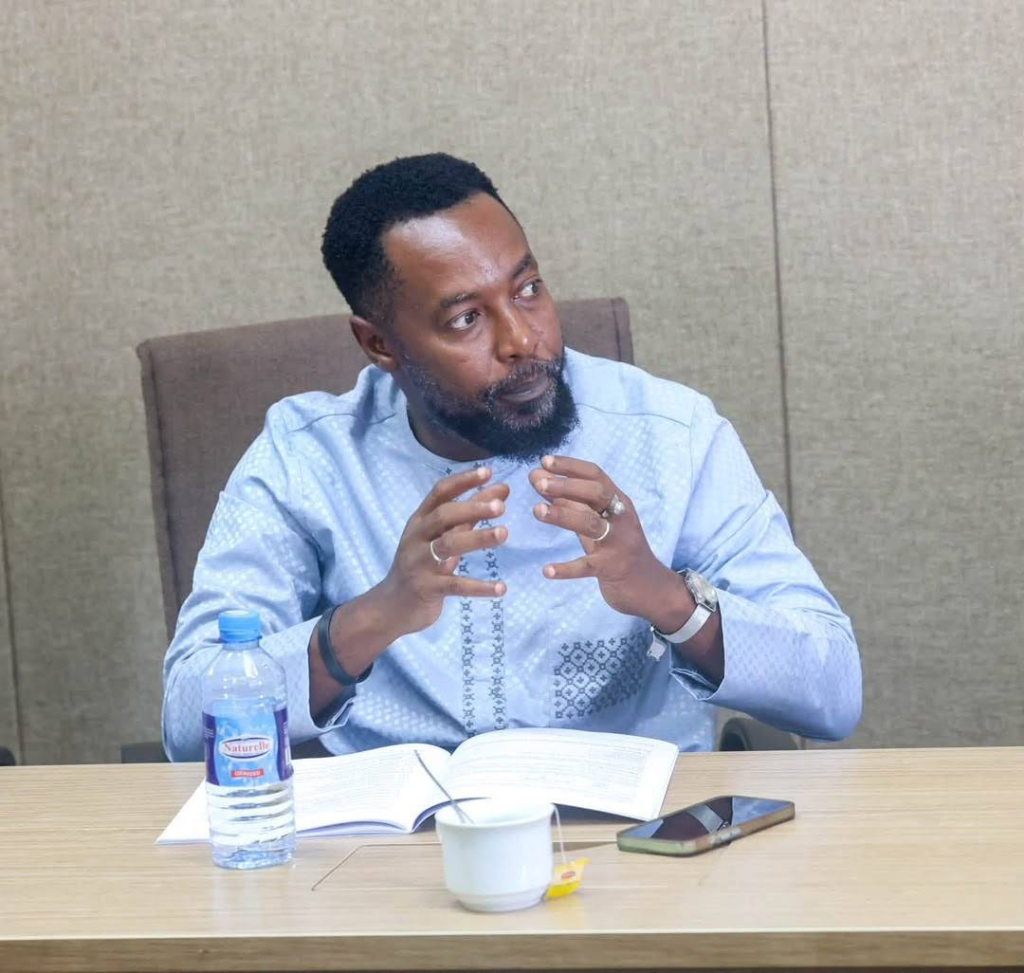
Omar Jammeh
Gambian Member of Parliament, Janjanbureh Constituency · Community-Based Tourism Advocate & Youth Leader
Omar Jammeh is a Gambian community leader, sustainable tourism advocate, and elected Member of Parliament for the Janjanbureh Constituency since 2022. A champion of community-based tourism and youth empowerment, he serves as Director of Janjanbureh Uniting Sustainable Tourism and Community Training (JustAct Gambia) and Coordinator of International Friends of Nature. He has held leadership roles including Regional Youth Chairperson of the Central River Region and Board Member of the National Youth Council and the Gambia Youth Chamber of Commerce. He trained in Sustainable and Responsible Tourism at ITTOG and in Agro Entrepreneurship at the Songhai Agricultural Center in Benin.
Sessions
- Session 1, Day 1 — Presenter (9:30 am – 11:15 am)
- West African Spiritual Traditions on the Continent
- Roundtable, Day 1 — Presenter (2:30 pm – 5:00 pm)
- African Spirituality in Africa
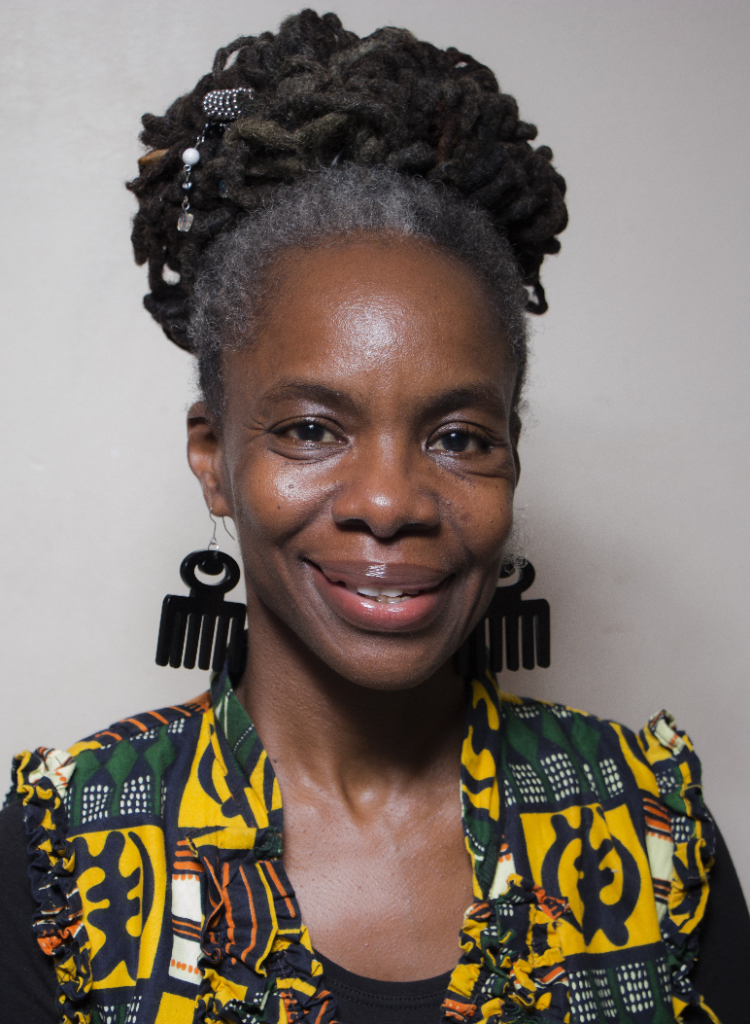
Andrea King
Barbadian Cultural Practitioner, Founder & Director of Culture & Arts for Love & Living (CALL) & Member, Barbados Task Force on Reparations
Andrea King is a Barbadian cultural practitioner, arts manager, educator, writer, and advocate for cultural development, reparatory justice, and the reclamation of African knowledge systems. She is the Founder and Director of Culture & Arts for Love & Living (CALL), producer of The Bridgetown International Arts Festival, and founder of the all-female Afrikan drumming group, Ola Ile. With more than three decades of experience across the cultural and creative industries, she has worked in arts management, cultural policy, journalism, education, fashion, and cultural entrepreneurship, including serving as Director of the now defunct Barbados Cultural Industries Development Authority. She has been a member of the Barbados Task Force on Reparations since its inception in 2014 and contributed to the landmark 2017 national report. A lifelong seeker of truth, she has explored Judeo-Christian, Kemet-based, and West African systems of knowledge and spirituality, approaching African spirituality as an essential dimension of wholeness, identity, cultural memory, and freedom.
Sessions
- Roundtable, Day 1 — Chair (2:30 pm – 5:00 pm)
- African Spirituality in Africa
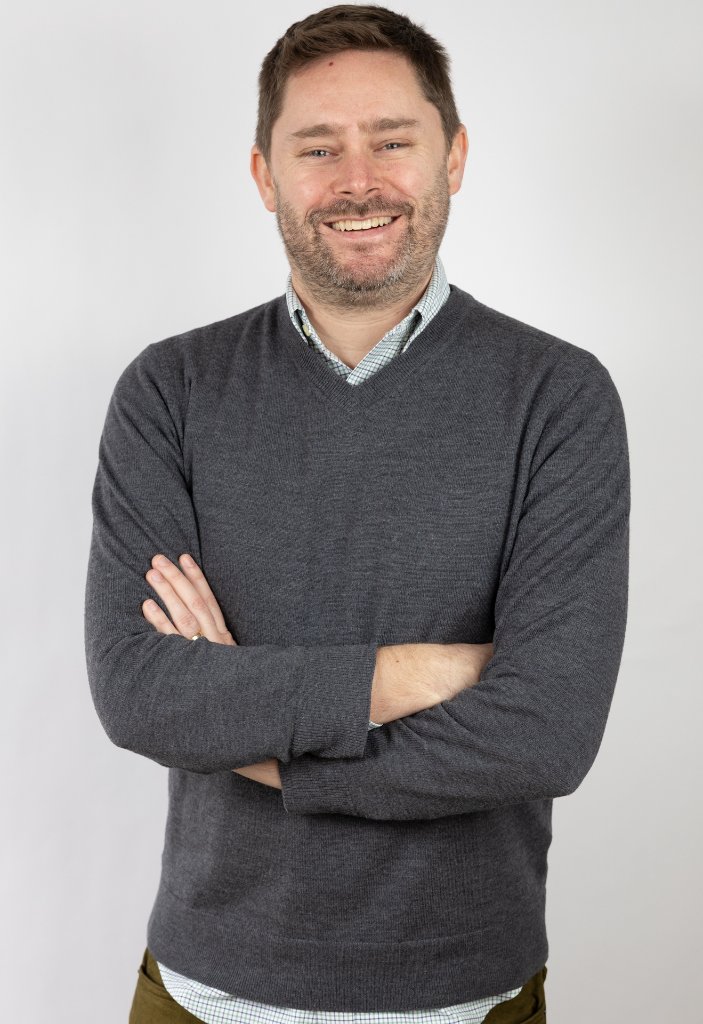
Dr. Matthew C. Reilly
American Associate Professor of Anthropology & Interdisciplinary Programs, The City College of New York (CUNY)
Dr. Matthew C. Reilly is an Associate Professor of Anthropology and Interdisciplinary Programs at the City College of New York and co-subfield coordinator for archaeology at the CUNY Graduate Center. An anthropological archaeologist, he currently directs archaeological research in Barbados and works with the Back-to-Africa Heritage and Archaeology project in Liberia. His work explores issues of race, colonialism, heritage, slavery, sovereignty, and freedom in the Caribbean and West Africa. He is the coeditor of Pre-Colonial and Post-Contact Archaeology in Barbados: Past, Present, and Future Research Directions (Sidestone Press, 2019) and author of Archaeology Below the Cliff: Race, Class, and Redlegs in Barbadian Sugar Society (University of Alabama Press, 2019), as well as numerous peer-reviewed journal articles and book chapters.
Sessions
- Session 1, Day 3 — Presenter (9:30 am – 11:15 am)
- Ancestral communion and state heritage projects
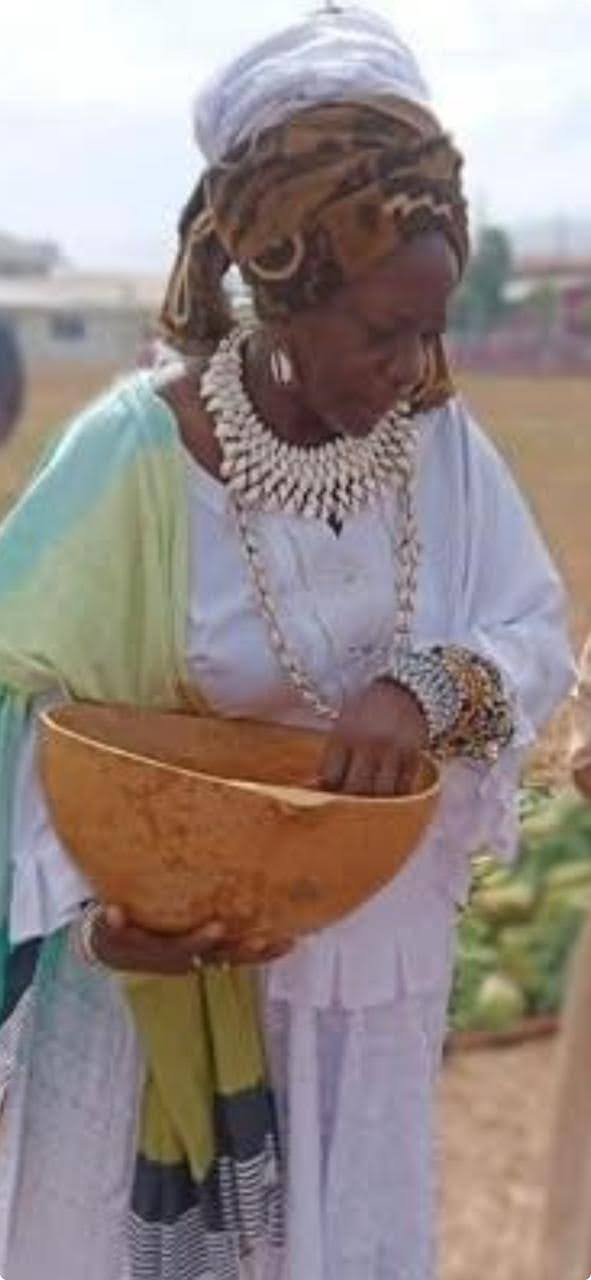
Akilah Jaramogi
Trinidadian Cultural Activist, Forester, Environmental Consultant & Social Entrepreneur · Founder, Fondes Amandes Community Reforestation Project · Co-Founder, United Maroons Indigenous Peoples
Iya Akilah Jaramogi is a cultural activist, forester, environmental consultant, and social entrepreneur, and a 6th-generation Merikin Maroon from South Trinidad. Deeply rooted in her heritage, she is dedicated to preserving and promoting the history, traditions, and legacy of the Merikin Maroons. She is the Founder and Executive Director of the award winning and highly recognized organization Fondes Amandes Community Reforestation Project in St. Ann's, Trinidad and Tobago, where she leads initiatives focused on community development, environmental stewardship, and cultural education. Iya Akilah is also the Co-Founder and Director of the United Maroons Indigenous Peoples, a regional movement uniting Maroons of the diaspora. She played an instrumental role in leading a delegation of Maroons and academic scholars to the United Nations Permanent Forum on Indigenous Issues and the United Nations Permanent Forum on People of African Descent, where she advocated for recognition, reparations, cultural preservation, and the rights of her community.
Sessions
- Session 1, Day 3 — Presenter (9:30 am – 11:15 am)
- Ancestral communion and state heritage projects
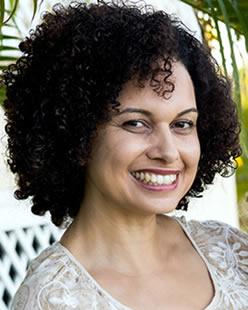
Dr. Tara Inniss
Barbadian Lecturer in History & Coordinator, Heritage Studies, UWI Cave Hill
Dr. Tara A. Inniss is a Lecturer in the Department of History and Philosophy at the University of the West Indies, Cave Hill Campus, and Coordinator of the MA Heritage Studies programme. She is Co-Convener of The UWI/University of Glasgow MSc/MA Reparatory Justice Programme and a scholar of the history of medicine, social policy, reparatory justice, and heritage and social development. She currently serves as Chair of the National Intangible Cultural Heritage (ICH) Committee of Barbados and has served as a delegate for the Government of Barbados on the UNESCO World Heritage Committee and the UNESCO Intergovernmental Committee for the Safeguarding of the Intangible Cultural Heritage. She is a Member of Council for the Barbados Museum and Historical Society, Trustee for the Commonwealth Heritage Forum, and a past Secretary-Treasurer for the Association of Caribbean Historians.
Sessions
- Session 1, Day 3 — Presenter (9:30 am – 11:15 am)
- Ancestral communion and state heritage projects
Rev. Dr. Hazel-Ann Gibbs De Peza
Trinidadian Spiritual Baptist Minister, Principal of the Herman Parris Spiritual Baptist Southland School of Theology & Former Assistant Professor, University of Trinidad and Tobago
Rev. Dr. Hazel-Ann Gibbs De Peza, known in the Baptist community as "Teacher Hazel," is a Spiritual Baptist Minister, educator, and scholar from Trinidad and Tobago. She holds a Doctor of Education in Educational Leadership and serves as Principal of the Herman Parris Spiritual Baptist Southland School of Theology. She is Chairman of the Ecclesiastical Council of the National Congress of Incorporated Baptist Organisations and a director of the Foundation for the Academic Advancement of Spiritual Baptist Youth (FAASBY). A recently retired Assistant Professor at the University of Trinidad and Tobago, she is the author of My Faith: Spiritual Baptist Christian and Correcting Misconceptions, and a respected voice on Spiritual Baptist faith, Caribbean indigenous spirituality, and the ongoing struggle for religious freedom and recognition.
Sessions
- Session 2, Day 3 — Presenter (11:30 am – 1:15 pm)
- Freedom to practice: The state of affairs
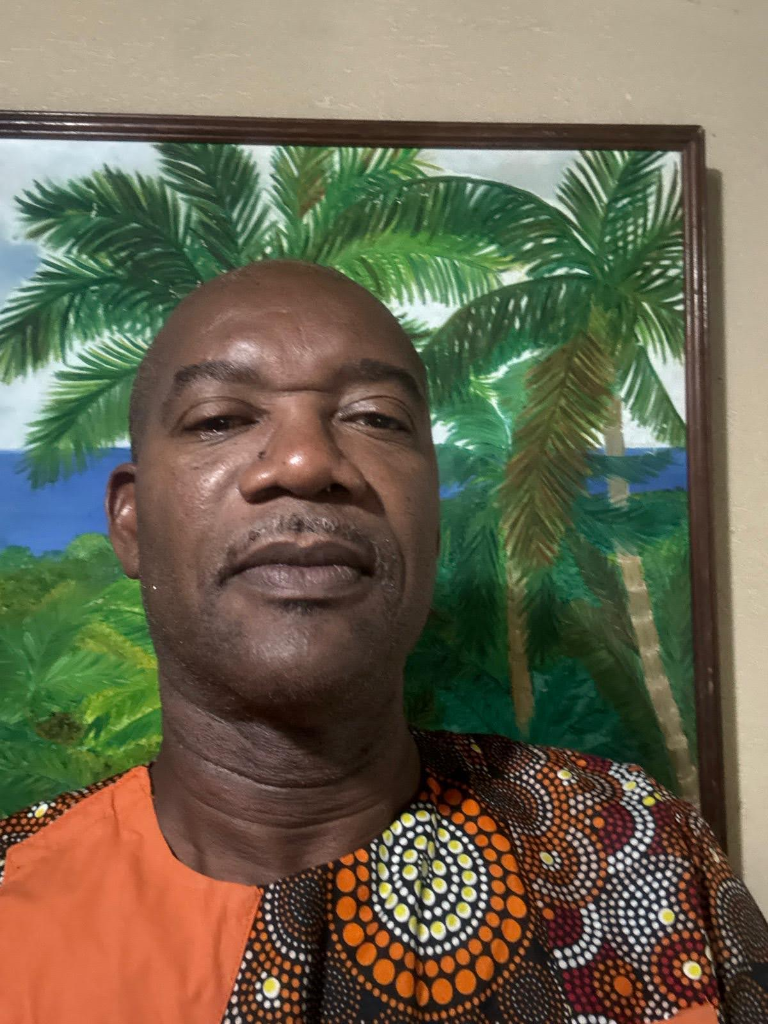
Bishop Roger Bryan
Barbadian Bishop of Ezekiel King of Kings Spiritual Baptist Deliverance Ministries
Barbadian Roger Bryan is Bishop of Ezekiel King of Kings Spiritual Baptist Deliverance Ministries. Graduate of Barbados Bible College with a diploma in theology. Graduate of Newburgh Theological Seminary with bachelor's and master's in pastoral leadership, PhD in pastoral ministries, and founder of the Positive Principles Youth Program, delivered weekly in primary schools.
Sessions
- Session 2, Day 3 — Chair (11:30 am – 1:15 pm)
- Freedom to practice: The state of affairs
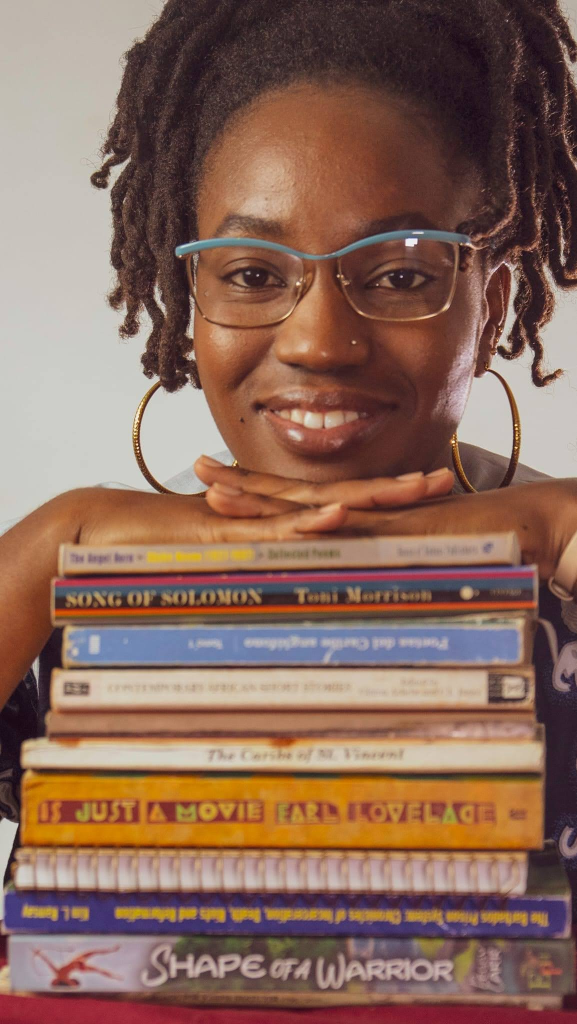
Christina Smith
Barbadian Filmmaker, Writer & Former Journalist
Christina Katrina Smith is a former journalist, writer and film director. She stepped out of the newsroom and into documentary filmmaking after relocating from Barbados to St Vincent and the Grenadines as she was inspired by the wealth of stories 'The Land of the Blessed' holds. It was in SVG that she got her start as a documentary researcher and screenwriter. Since then she has written, directed and produced films on reparatory justice, criminal justice and the celebration of African-based religions. Christina considers her work, across all mediums, an act of 'writing' wrongs present in post-colonial Caribbean societies.
Sessions
- Session 2, Day 3 — Presenter (11:30 am – 1:15 pm)
- Freedom to practice: The state of affairs
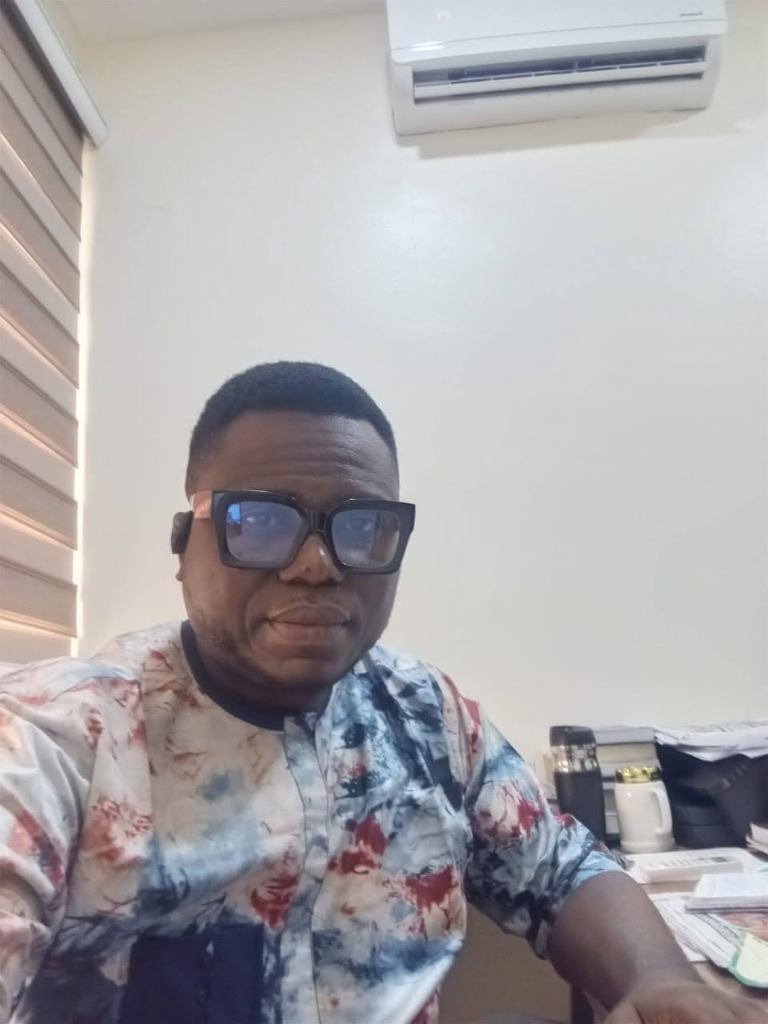
Amoo Babatunde Ibrahim
Nigerian Researcher, Educator & Environmental Safety Advocate
Amoo Babatunde Ibrahim has a Diploma in International Relations, a graduate in History and Diplomatic Studies, and is a post-graduate student in Urban Environmental Education. A researcher and educator, he is an advocate for environmental safety, African values, and cultural restoration. He is a member of the Lagos Studies Association and has published with the Nigerian Institute of International Affairs.
Sessions
- Roundtable, Day 3 — Presenter (2:30 pm – 5:00 pm)
- Contemporary challenges facing the practice of Traditional African and African Diasporic Spirituality and possible solutions
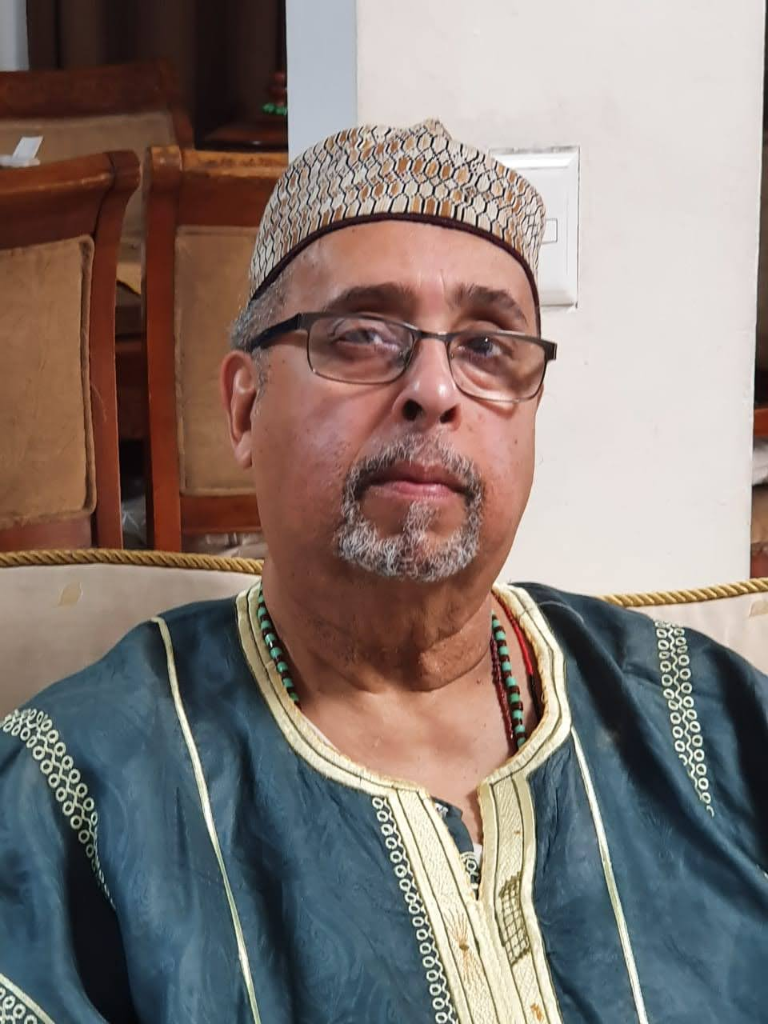
Vernon Rex Archibold Taylor Jr.
Panamanian-born Oluwo-Babalawo-Oya · Yoruba Spiritual Leader & Educator
Vernon Rex Archibold Taylor Jr. is a Panamanian-born Oluwo-Babalawo-Oya with 50 years in the Yoruba tradition. For the past 25 years, he has been a member of the Ifá-Orisha of Iperu-Remo Ibodu, Nigeria. His lifelong commitment to preserving and sharing Yoruba knowledge has made him a respected spiritual leader and educator. A graduate of Medgar Evers College, a Predominantly Black Institution in New York City, Archibold served as Student Body President in 1980 and also led Alianza as its president. His broader professional leadership includes participation in the United Nations Conference, representing the Caribbean Action Lobby at the 1992 Barbados Conference. Archibold is an honorary member of Pinelands Creative Workshop. Throughout his career, he has remained dedicated to cultural preservation, community leadership, and strengthening connections across the African diaspora.
Sessions
- Session 1, Day 2 — Presenter (9:30 am – 11:15 am)
- Debating diasporic spiritual innovations to African continental traditions
- Roundtable, Day 2 — Participant (2:30 pm – 5:00 pm)
- African Spirituality in the Diaspora
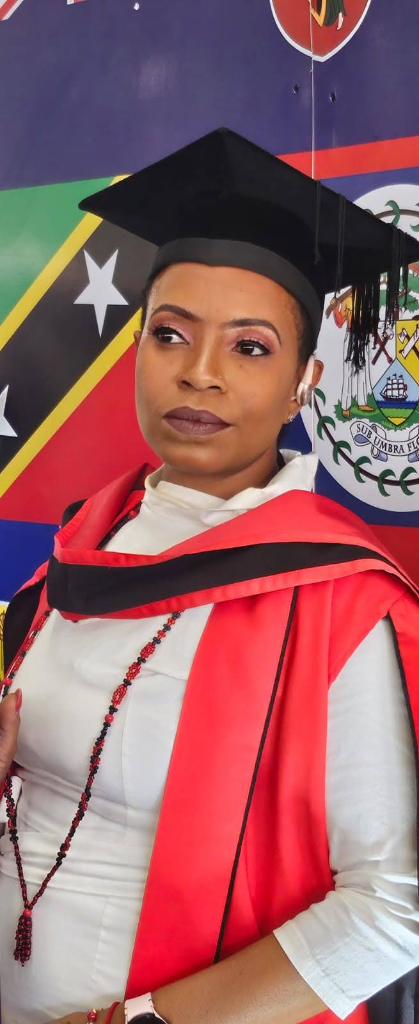
Dr. Janique Baker-Dennis
Trinidadian Coordinator of the Academic Literacies Programme, Department of Modern Languages and Linguistics, UWI St. Augustine · Iyanifa & Iyalorisha Èṣù-Elegbara
Dr. Janique Baker-Dennis' research is based on the pataki from the 256 odu of The Sacred Oracles of Ifá, an ancient oraliterature emanating from the Yoruba pantheon of the Orisha. She is the mind behind the new literary theory, The Pataki Continuum, and the numerical methodology, the Tric(h)ord Formula, both grounded in the principles of the premier Orisha, Eshu–Elegbara. Her insight emanates from her lived experience and initiations into Orisha devotion as an Iyanifa (Spiritual High Priestess under Ifá, Nigerian practices) and an Iyalorisha Èṣù-Elegbara (Spiritual Mother under Eshu, Cuban practices). She serves as Coordinator of the Academic Literacies Programme, Department of Modern Languages and Linguistics, Faculty of Humanities and Education, University of the West Indies, St. Augustine.
Sessions
- Roundtable, Day 2 — Participant (2:30 pm – 5:00 pm)
- African Spirituality in the Diaspora
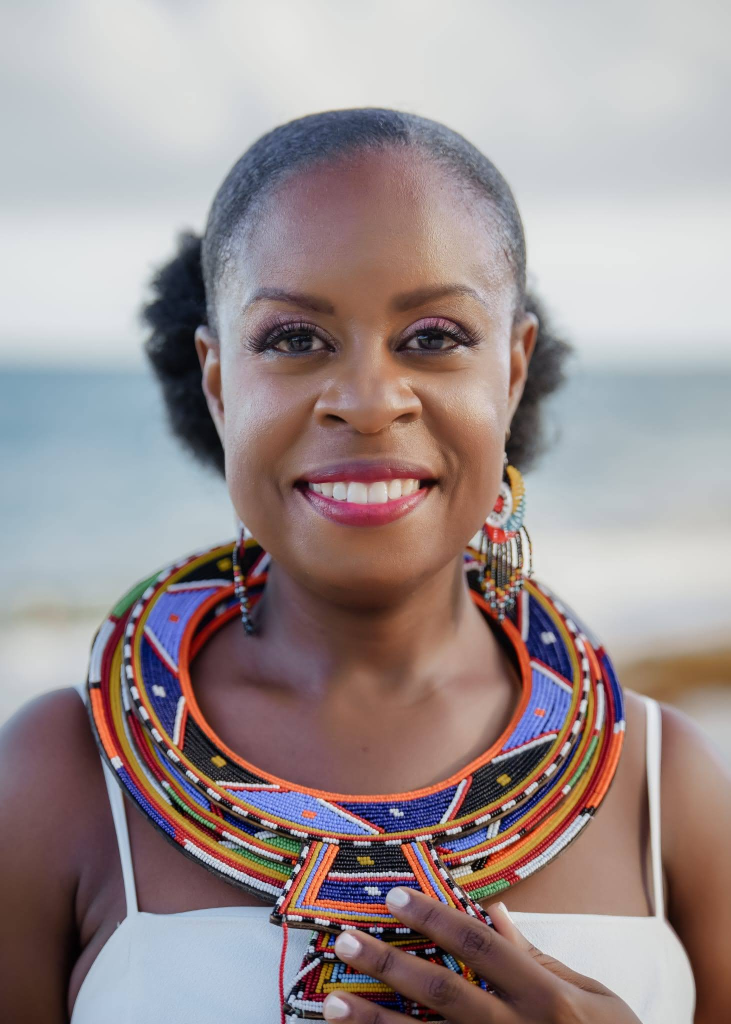
Makhosi Asiya Nyame
Barbadian-born Sangoma Healer & Spiritual Practitioner · Makhosi Foundation / MA Temple
Makhosi Nyame (Tamisha) hails from Barbados. Her healing journey began in 2015 with alkaline electric nutrition for the melinated body, opening her to her gifts. The 'calling illness' revealed that healing is multidimensional. She was led down several initiation paths — first as a Sangoma, opening her to ancestral healing, shadow work, cleansing, and elemental purification, then to the waters (Nzunza), followed by a healer prophet/Makhosi (Oneness) initiation focused on elevating the collected ancestors. She also completed an Oracle Apprenticeship connecting her to cosmic origins and the quantum field. Her modalities include medical intuition, sound healing, cacao ceremonial training, nutritional healing, ancestral healing, and quantum healing. Makhosi is currently pursuing a Master's of Divinity in Sufi Spiritual Healing at the University of Sufism.
Sessions
- Roundtable, Day 2 — Participant (2:30 pm – 5:00 pm)
- African Spirituality in the Diaspora
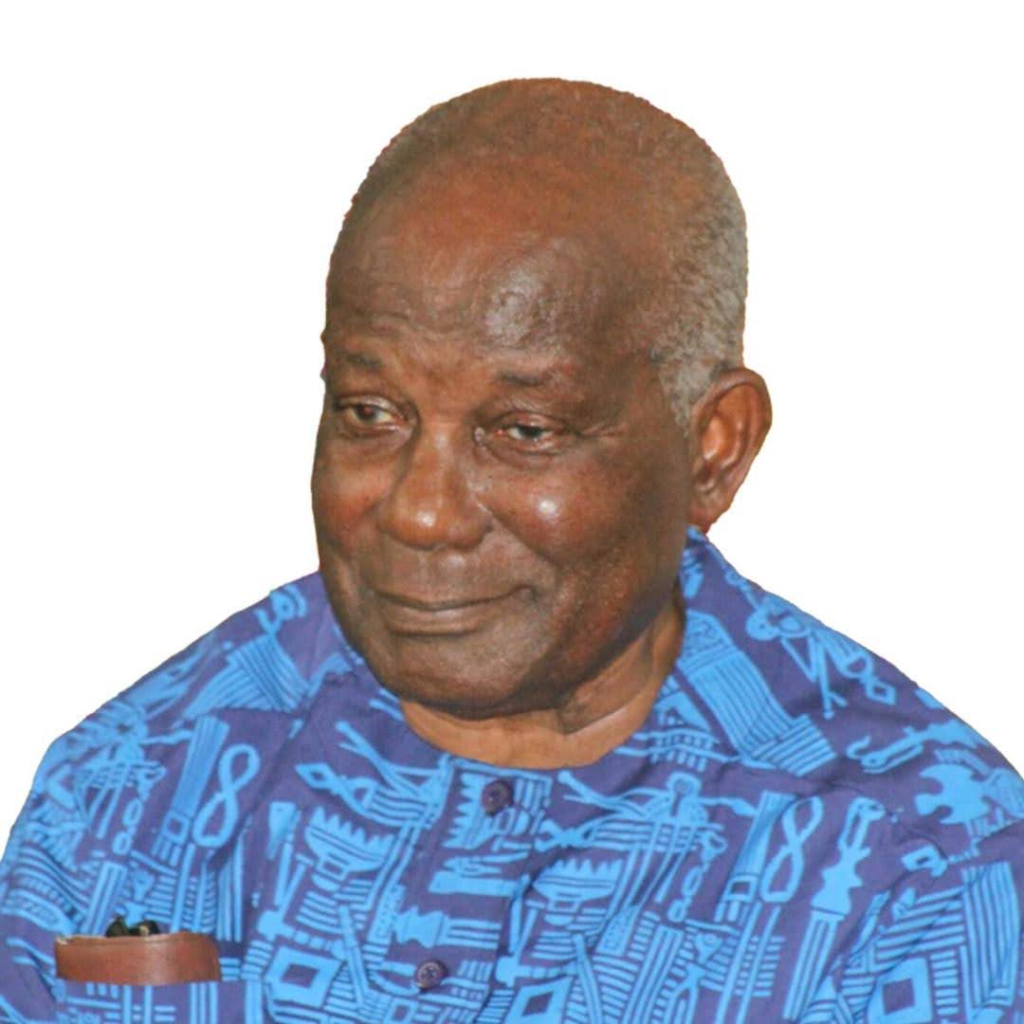
Prof. Kofi Asare Opoku
Ghanaian Scholar of African Traditional Religion · Former Associate Professor, Institute of African Studies, University of Ghana, Legon · Retired Professor of Religious Studies, Lafayette College
Professor Kofi Asare Opoku was educated at the University of Ghana, Yale University Divinity School, and the University of Bonn. He has taught at the Institute of African Studies, University of Ghana, and at institutions including Lafayette College. His publications include Speak to the Winds: Proverbs from Africa, West African Traditional Religion, and Hearing and Keeping: Akan Proverbs. He is also an environmentalist, preserving Ananse Akuraa (Spider's Village, a 3-acre orchard and herbarium) and Ananse Kwae (Spider's Forest, a 40-acre dense tropical rain forest) as his legacy to posterity.
Sessions
- Roundtable, Day 3 — Presenter (2:30 pm – 5:00 pm)
- Contemporary challenges facing the practice of Traditional African and African Diasporic Spirituality and possible solutions
Dr. Deryck Murray
Barbadian Philosopher, Director of the Centre for Hybrid Studies & Lecturer, UWI Cave Hill
Dr. Deryck Murray is a historian and theorist, Director of the Centre for Hybrid Studies, and lecturer at the Department of History, Philosophy and Psychology at the University of the West Indies, Cave Hill Campus. His research focuses on African and Caribbean knowledge systems, African spirituality and religion, and the historical and contemporary role of obeah in the Caribbean. He is a recognized authority on African metaphysics, African-Creole epistemologies, and the preservation of African and Caribbean indigenous knowledge traditions, and has lectured extensively on African Religion and Spirituality in the Caribbean.
Sessions
- Roundtable, Day 3 — Presenter (2:30 pm – 5:00 pm)
- Contemporary challenges facing the practice of Traditional African and African Diasporic Spirituality and possible solutions

Kevin Farmer
Barbadian Deputy Director, Barbados Museum and Historical Society (BMHS) · Executive Secretary, Codrington Trust
Kevin Farmer is Deputy Director of the Barbados Museum and Historical Society (BMHS), a post he has held since 2011. He holds a Master's degree in History (Heritage Studies) from the University of the West Indies, Cave Hill, and has lectured in Archaeology at UWI St. Augustine and in the MA Heritage Studies programme at UWI Cave Hill. He is co-editor of Plantation to Nation: Caribbean Museums and National Identity and was the principal researcher on the Barbados Museum's successful nomination to the UNESCO Memory of the World Register, documenting extant records relating to slavery and the slave trade in the Caribbean. His research interests include the creation of cultural identity in post-colonial states, the role of museums in national development, and the management and curation of archaeological resources. In 2023, he was appointed Executive Secretary of the Codrington Trust.
Sessions
- Session 1, Day 3 — Chair (9:30 am – 11:15 am)
- Ancestral communion and state heritage projects
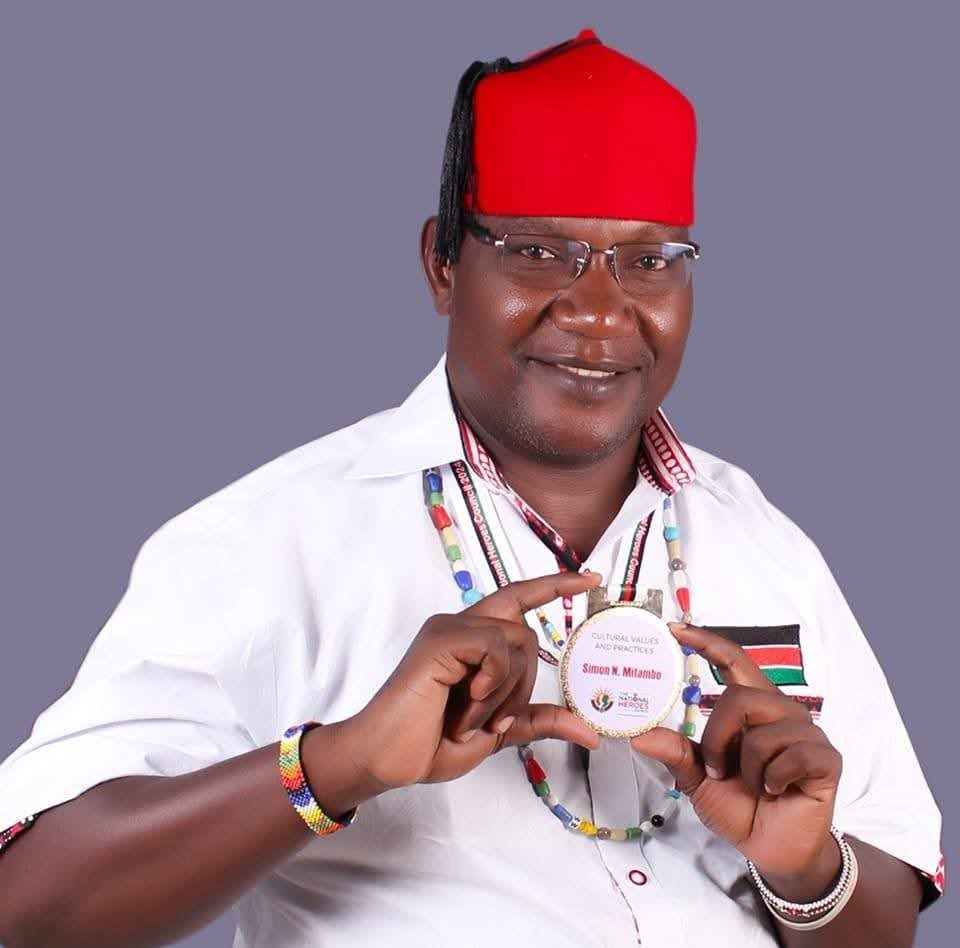
Simon Mitambo
Kenyan Earth Jurisprudence Practitioner · CEO, Society for Alternative Learning & Transformation (SALT) · Co-founder, The Kithino Learning Centre
Simon Mitambo is an Earth Jurisprudence Practitioner and ancestral wisdom and cosmology expert from Tharaka, Kenya. He is Co-founder and Chief Executive Officer of the Society for Alternative Learning and Transformation (SALT) and The Kithino Learning Centre, an emerging centre for the regeneration of Nature and Culture in Kenya. A Thematic Coordinator of the African Biodiversity Network and a Core Member of the Global Tapestry of Alternatives, he also serves as a knowledge expert at the UN Harmony with Nature Initiative. He holds a graduate degree in Sociology and Linguistics from the University of Nairobi and a Master's in Public Policy and Governance from Kenyatta University.
Sessions
- Roundtable, Day 3 — Presenter (2:30 pm – 5:00 pm)
- Contemporary challenges facing the practice of Traditional African and African Diasporic Spirituality and possible solutions
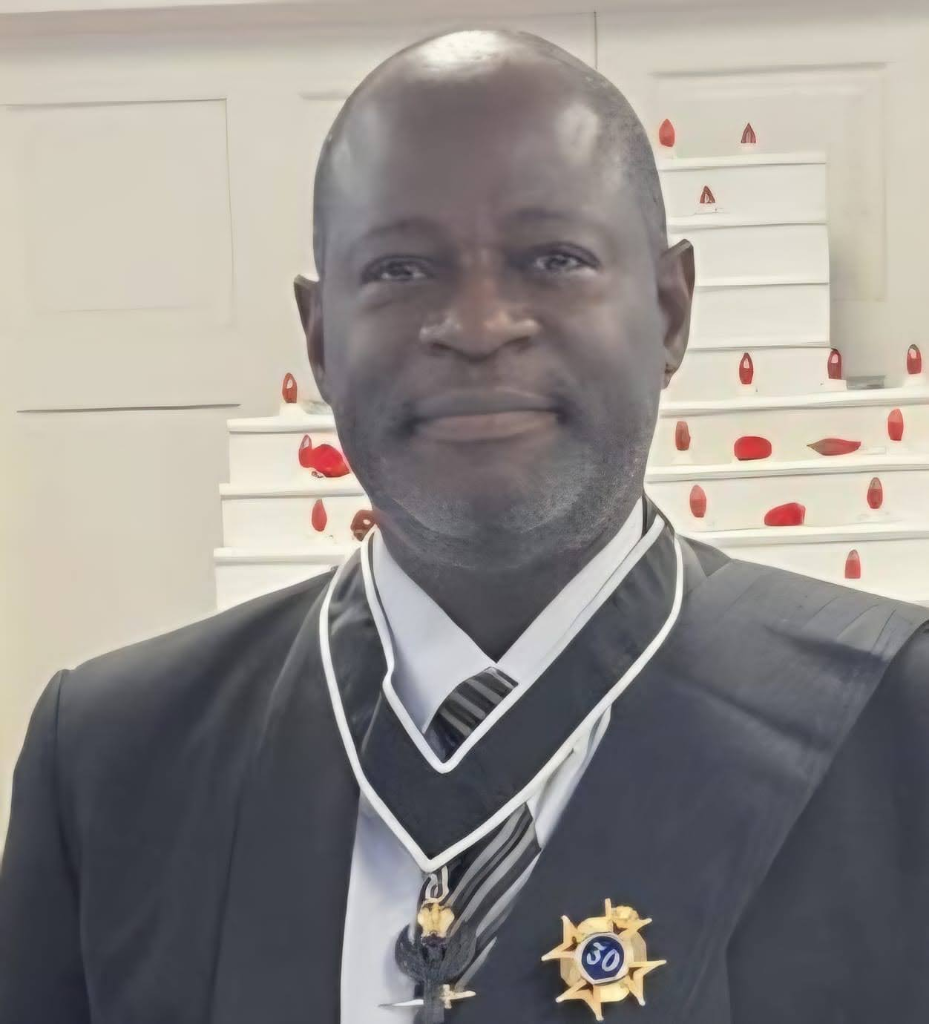
Major Alfred Taylor
Barbadian Major, Barbados Defence Force (Reserve Officer) · Former Director of Music, BDF Band
Major Alfred Taylor is a reserve officer of the Barbados Defence Force (BDF). His work engages Afrikan and Caribbean spiritual traditions, ancestral healing, and the preservation of indigenous knowledge, with a research focus on the role of ritual and sacred practice in community resilience and cultural restoration.
Sessions
- Roundtable, Day 3 — Chair (2:30 pm – 5:00 pm)
- Contemporary challenges facing the practice of Traditional African and African Diasporic Spirituality and possible solutions
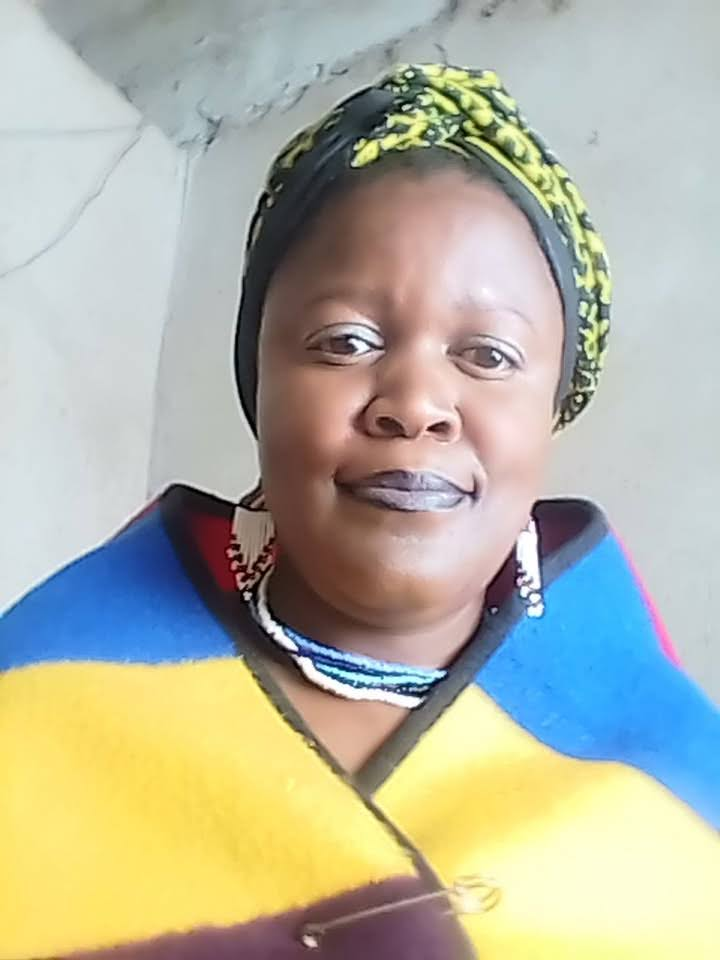
Sarah Thobi Motha
South African Co-Founder, Umpakatsi Peace Village · Human Rights Advocate, Peacebuilder & Climate Justice Champion
Sarah Thobi Motha is based in South Africa and is the Co-Founder of Umpakatsi Peace Village (2006). She holds a Master's in International Human Rights Law & Migration Studies and is a human rights advocate, peacebuilder, and champion of Indigenous Knowledge Systems and climate justice. She has trained and worked across Africa, Europe, and South America with organisations including Amnesty International and the Foundation for Human Rights, and serves as an Ambassador of Peace Ecovillages in Africa.
Sessions
- Session 2, Day 2 — Presenter (11:30 am – 1:15 pm)
- Understanding African and Caribbean traditional spirituality as ways of knowing and technologies
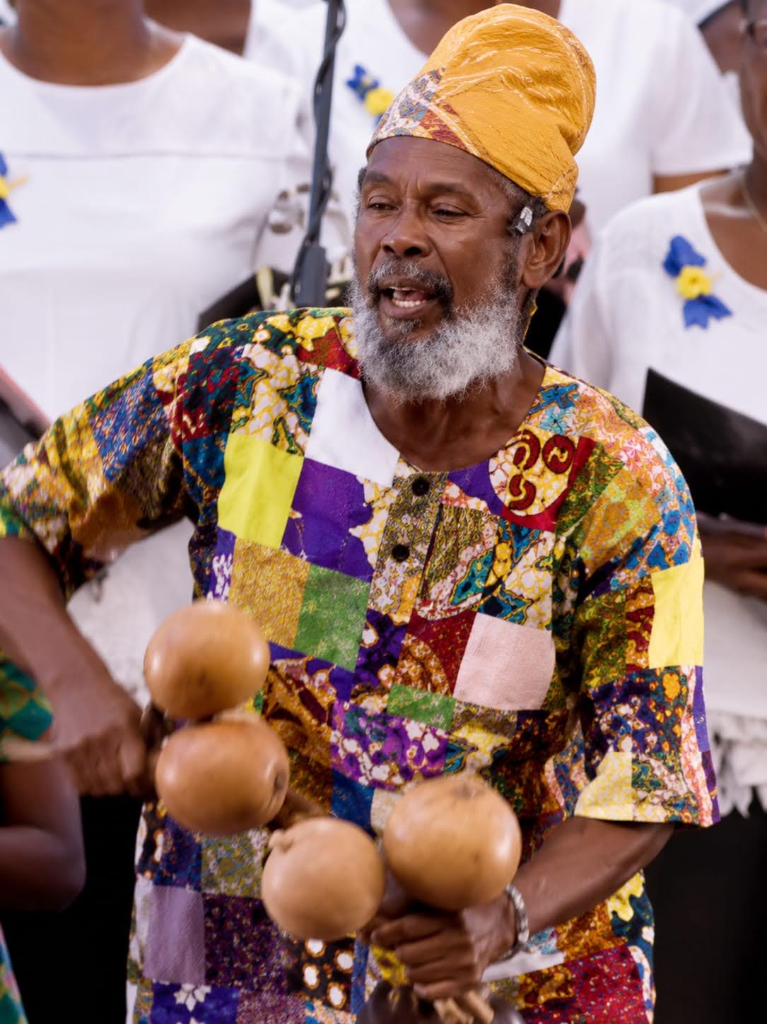
Oloye Agba Esusegun Olaifa
Barbadian Priest & Chief Elder of The Orisha
Oloye Agba Esusegun Olaifa is a Barbadian Orisha elder who serves as Priest and Chief Elder of The Orisha. He delivered the invocation at Barbados' National Thanksgiving Service marking the country's first anniversary as a republic, in a multi-denominational ceremony that recognised the Orisha tradition among the nation's faiths.
Sessions
- Roundtable, Day 2 — Participant (2:30 pm – 5:00 pm)
- African Spirituality in the Diaspora